How to Deploy Software Remotely Across Company Computers in the UAE and GCC
Published · PRO TECHnology Enterprise IT
To deploy software to multiple company computers remotely, IT teams need a management platform that can assign applications to the right devices, deliver the required content and report the outcome. A reliable rollout also needs a tested installer, a pilot group and confirmation that the application works on the device.
FileWave supports centralised software distribution, with different delivery methods for desktop and mobile platforms. PRO TECHnology supports FileWave sales, deployment and local support across the Middle East, including Saudi Arabia and the wider Gulf (FileWave architecture documentation; regional partnership announcement).
When manual software installation becomes difficult
A software rollout involves more than getting an installer onto a laptop. The application must reach the correct users, install with the right settings and remain usable after the change.
The work becomes harder when computers are spread across offices, staff work remotely or different departments need different versions. An email asking users to install an application gives IT little certainty about what happened next.
For example, consider a company with its IT team in Dubai and employees working in other GCC offices. This is an illustrative scenario: the rollout may include Windows laptops, Macs and devices that are not online at the same time. The useful question is how to manage the exceptions as well as the successful installations.
A practical workflow for remote software deployment
1. Define the target devices and success criteria
List the operating systems, application versions and users included in the rollout. Record prerequisites such as available storage, required permissions, dependencies and application licences.
Define what counts as success before deployment. “Installer delivered” and “application installed and usable” should be separate checks.
2. Prepare the application for the target platform
Confirm the application’s supported installation method and any required settings. Test unattended installation where the application supports it, including restart behaviour and what happens if an older version is already present.
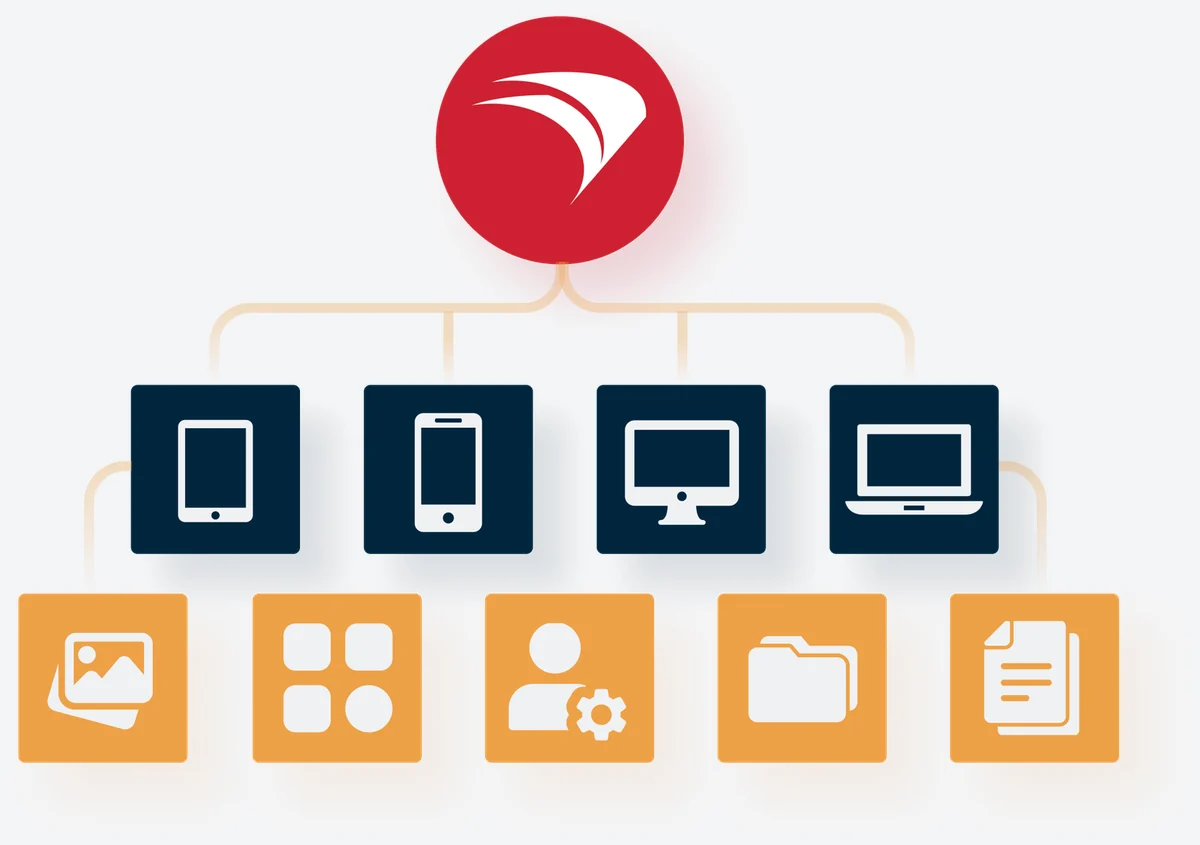
FileWave uses Filesets to organise deployable content. Available content types depend on the target platform. Its documentation describes separate Windows/macOS client workflows and mobile MDM delivery paths. One console does not make the installation method identical on every operating system (How FileWave works).
3. Run a representative pilot
Use a small set of test devices that reflects the real estate. Include the operating systems, existing application versions and network conditions likely to cause problems.
Have a user complete the application task that matters to the business. A successful installation message is useful, but it does not tell you whether a plug-in works or whether the user’s files open correctly.
4. Expand in controlled stages
Move from the pilot to suitable department or location groups. Agree how to handle restarts and user disruption. Keep a record of who approved the change and what should trigger a pause.
Plan removal or recovery before expanding. Do not assume that uninstalling an application will restore every earlier setting or user file. Test the recovery approach for that application.
5. Verify the result and follow up on exceptions
Check the device outcome and the deployment status. FileWave explicitly distinguishes committing changes on the server from confirming that a device received and completed its work. Offline devices require follow-up after communication resumes (FileWave deployment overview).
Use an agreed record such as this:
| Check | Evidence to collect |
|---|---|
| Targeting | Correct devices and users included; exclusions recorded |
| Installation | Expected application version present |
| Usability | Application launches and the required task works |
| Interruption | Behaviour after lost connectivity or restart documented |
| Exceptions | Failed, pending and unreachable devices identified |
| Recovery | Tested procedure and responsible person recorded |
Deciding which devices have reported recently is an inventory question. Our guide to tracking company devices and installed software explains how to tell current records from older ones.
What about large applications and branch-office connections?
Test a realistic package from the locations involved. Consider download size, the number of devices receiving it and the effect on other business traffic.
FileWave documents optional Boosters that cache Filesets closer to Windows and macOS clients. Ask whether a Booster belongs in your design and demonstrate the result under representative conditions. It should not be treated as a guarantee that every connection problem disappears (FileWave architecture documentation).
Can FileWave restore changed or missing application files?
For managed Fileset content, FileWave verification settings control what happens when a delivered file changes or disappears. Depending on the setting, verification can restore the managed copy, download only a missing file, or leave the delivered content alone.
Choose carefully: a file users are supposed to edit should not automatically be restored to an earlier managed copy. This feature is not a promise to repair every possible application fault (FileWave verification documentation).
Sources
Statements about FileWave cite FileWave’s own documentation and announcement, checked on 22 September 2026. The regional rollout described in this guide is an illustrative scenario, not a customer case.
Frequently asked questions
Can we install software remotely without visiting every laptop?
Yes, where the management platform, application and device configuration support the required workflow. Devices need suitable enrolment or management access and communication. Test prerequisites and installation behaviour before a wider rollout.
Can FileWave deploy software to both Mac and Windows computers?
Yes. FileWave documents software delivery through its macOS and Windows clients. Prepare and test the appropriate application content for each operating system rather than assuming one installer works across both (FileWave documentation).
Does assigning an application mean every computer has received it?
No. Target assignment, delivery, installation and successful use are separate stages. Check the resulting status and verify representative devices. A computer that has not communicated may not have received the latest work.
Can we deploy applications to staff in other GCC offices?
Evaluate the required network access and management configuration at each location. Include representative branch and remote devices in the pilot, and agree how to handle devices that are offline during the rollout.
Is software deployment the same as patch management?
They overlap, but answer different operational questions. Deployment concerns delivering and installing content. Patch management also involves deciding which updates are required, testing them and tracking what remains outstanding. Confirm the supported update workflow for your applications and operating systems.
Who can help us evaluate FileWave in the UAE or Saudi Arabia?
PRO TECHnology is a regional FileWave partner. FileWave confirms the partnership covers sales, deployment and local support across the Middle East, including Saudi Arabia and the wider Gulf (Partnership announcement).
Discuss your software rollout with PRO TECHnology
Share your device count, operating systems, office locations and the applications you need to distribute. These details help define an evaluation based on your actual rollout requirements.