
Indoor Air Quality in UAE Schools, Clinics and Offices: What to Measure and What to Fix
Published · PRO TECHnology Air Quality Solutions
In the Gulf, buildings are sealed and air conditioned for most of the year, so indoor air is recirculated far more than it is replaced. That makes CO2, particulates and odour a measurable operational problem, not a comfort preference. This is how to measure it and what actually fixes it.
- The Gulf problem
- Sealed, air conditioned buildings recirculate air for most of the year
- Measure first
- CO2, particulate matter, humidity and temperature, logged continuously
- CO2 as a proxy
- Rising CO2 indicates too little fresh air for the number of people present
- Particulates
- Gulf dust and construction raise indoor PM even in sealed buildings
- Healthcare grade
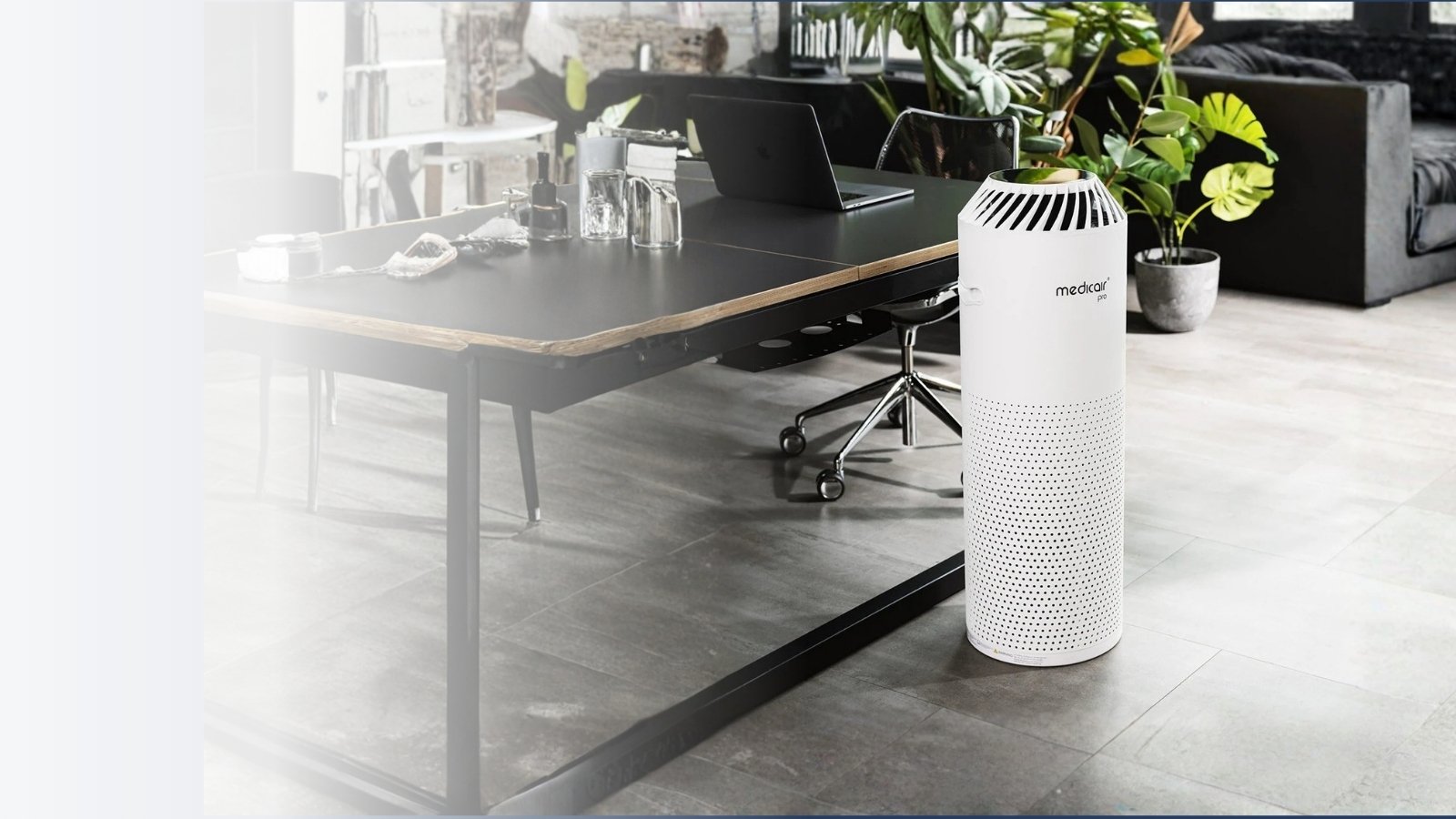
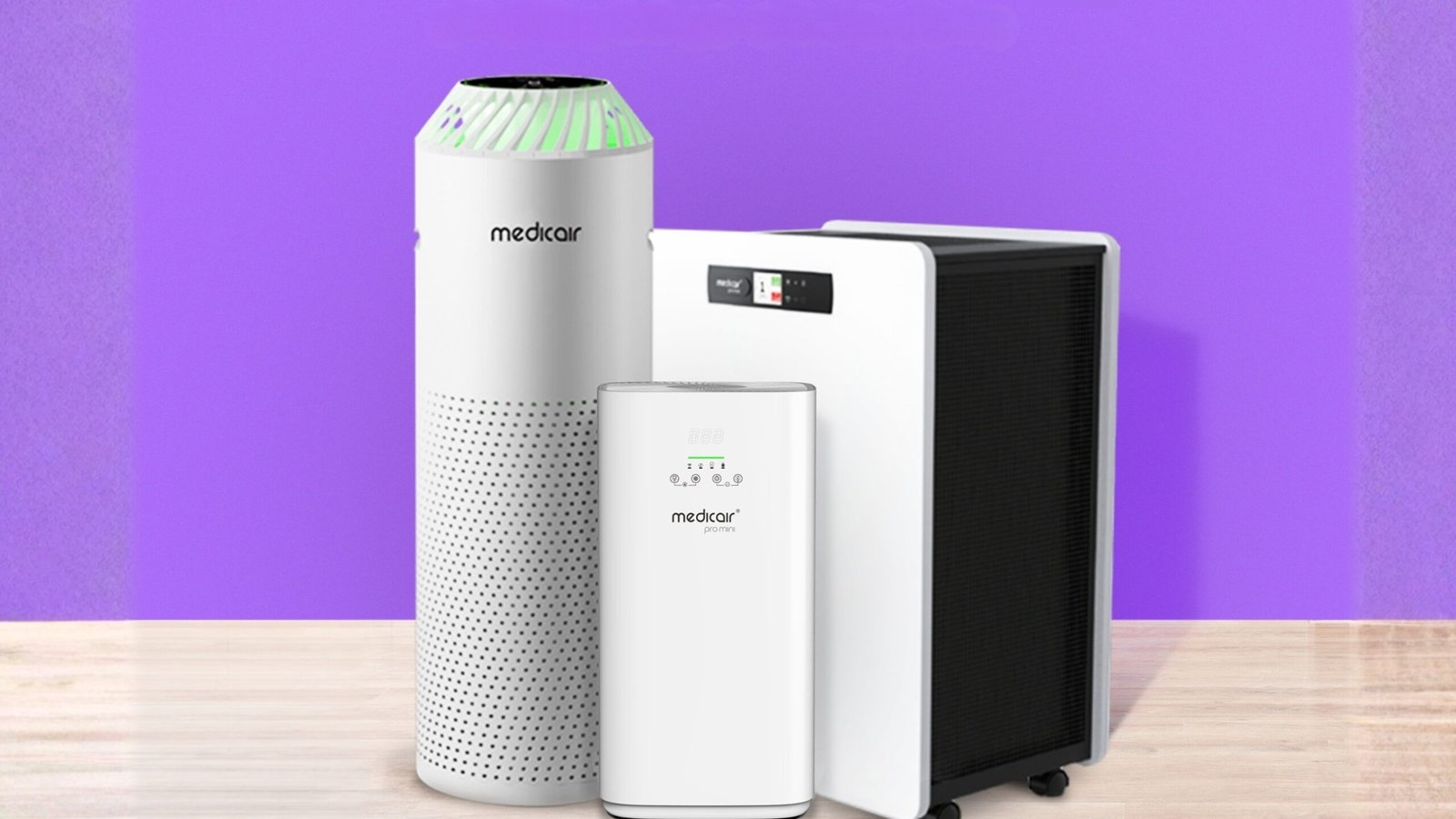
- MedicAir purifiers, designed by British healthcare professionals
- Filtration
- MedicAir units combine H13 or H14 HEPA, activated carbon and enclosed UV-C
- Odour control
- Extract ventilation and cleaning first; Bellaria AirCube for lightly used toilets
- Humidity
- Stadler Form dehumidifiers and humidifiers to hold a comfortable range
- Where it matters most
- Classrooms, clinics, waiting rooms, meeting rooms and washrooms
- Division
- PRO TECHnology Air Quality Solutions, Dubai
- Coverage
- UAE and the wider GCC
- Contact
- +971 4 343 5501, sales@protech.ae
Key takeaways
- Measure CO2, particulate matter, humidity and temperature continuously for at least a week in the rooms you are concerned about.
- Outdoor air sits near 400 ppm; indoor levels rising well above roughly 1,000 ppm indicate too little fresh air per person.
- Air purifiers do not remove CO2, so high readings are a ventilation problem that only added fresh air fixes.
- MedicAir purifiers combine HEPA filtration, activated carbon and an enclosed UV-C stage, and are sized from room volume rather than floor area; for washroom odour, ventilation and cleaning come first, and Bellaria AirCube suits only lightly used toilets.
Why Gulf buildings have an air problem by design
For most of the year windows stay shut and the same air is cooled and recirculated. Add outdoor dust and construction, and indoor air quality becomes something you manage deliberately or not at all.
Sealed for the climate
Air conditioning recirculates. Without deliberate fresh air, CO2 climbs through the occupied day.
Dust gets in anyway
Regional dust and nearby construction raise indoor particulate levels even in well sealed buildings.
Occupancy drives CO2
A full classroom or meeting room produces CO2 faster than a standard ventilation rate removes it.
You cannot smell CO2
Stuffiness, headaches and afternoon drowsiness are the symptoms people report. The cause is invisible.
What to measure, and what the numbers mean
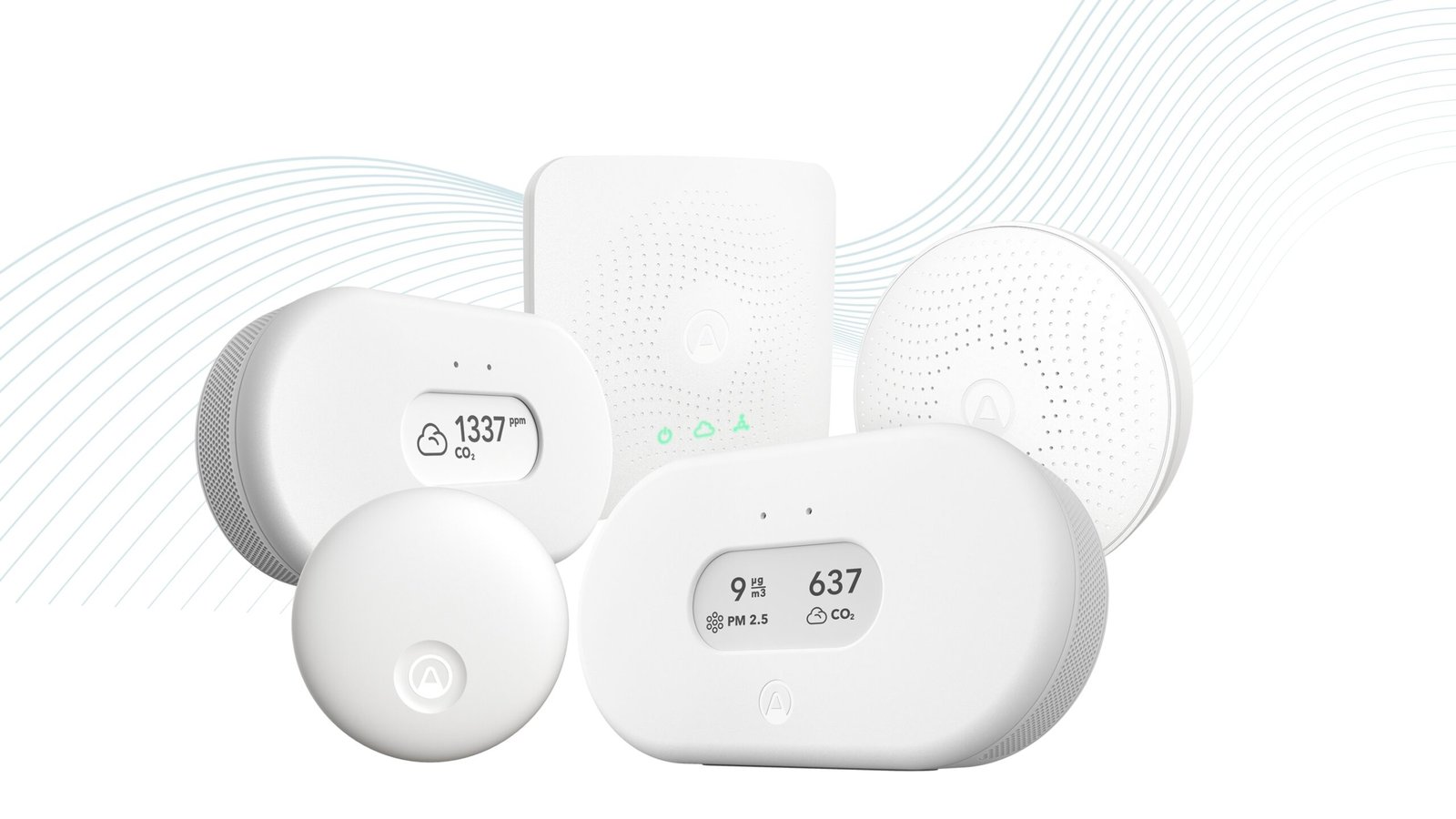
Start with continuous measurement rather than assumption. A week of logged data usually shows the problem is confined to specific rooms at specific times, which makes it cheap to fix.
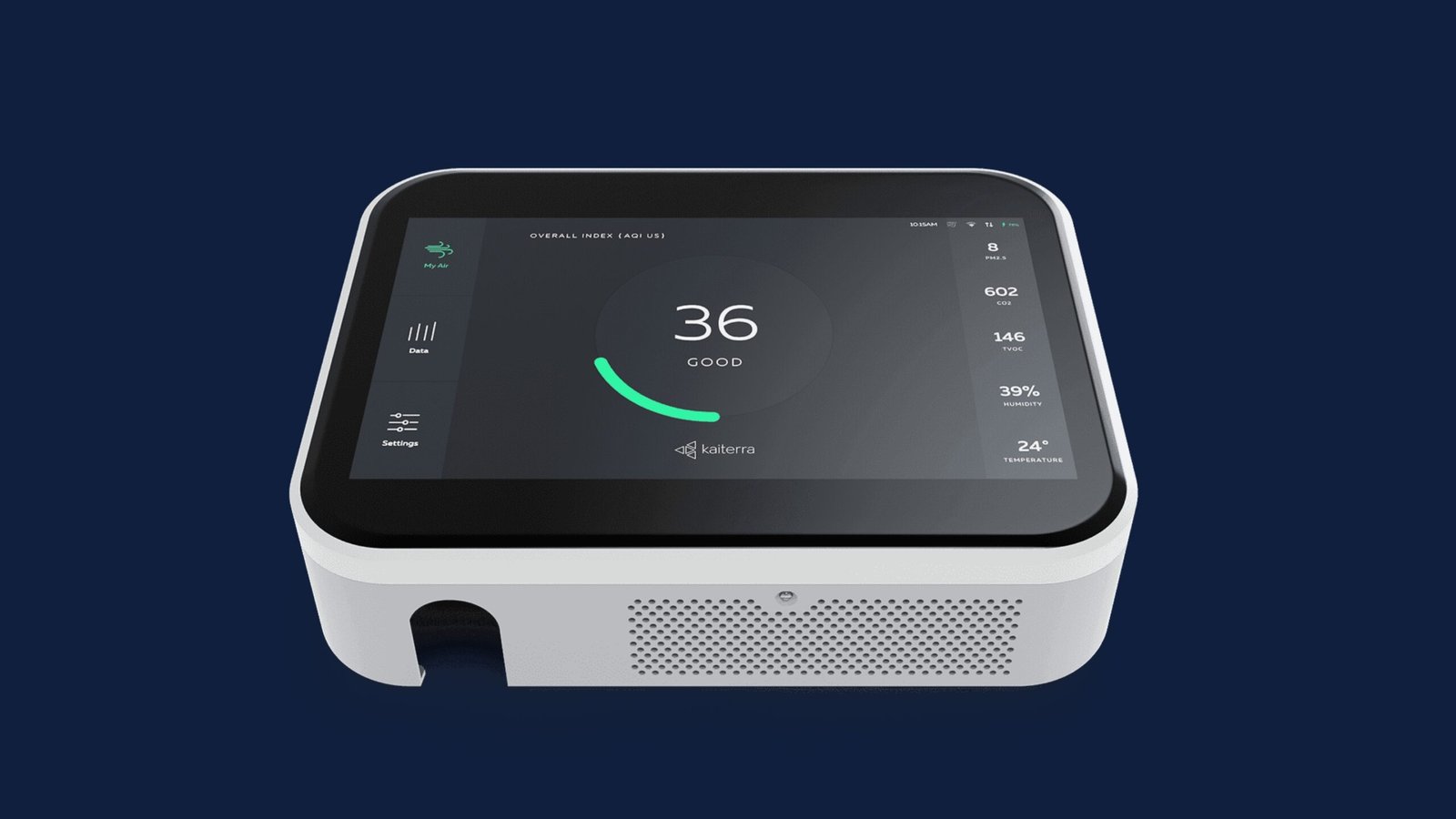
CO2 for ventilation
CO2 is the practical proxy for fresh air per person. If it climbs steadily through the day, ventilation is short.
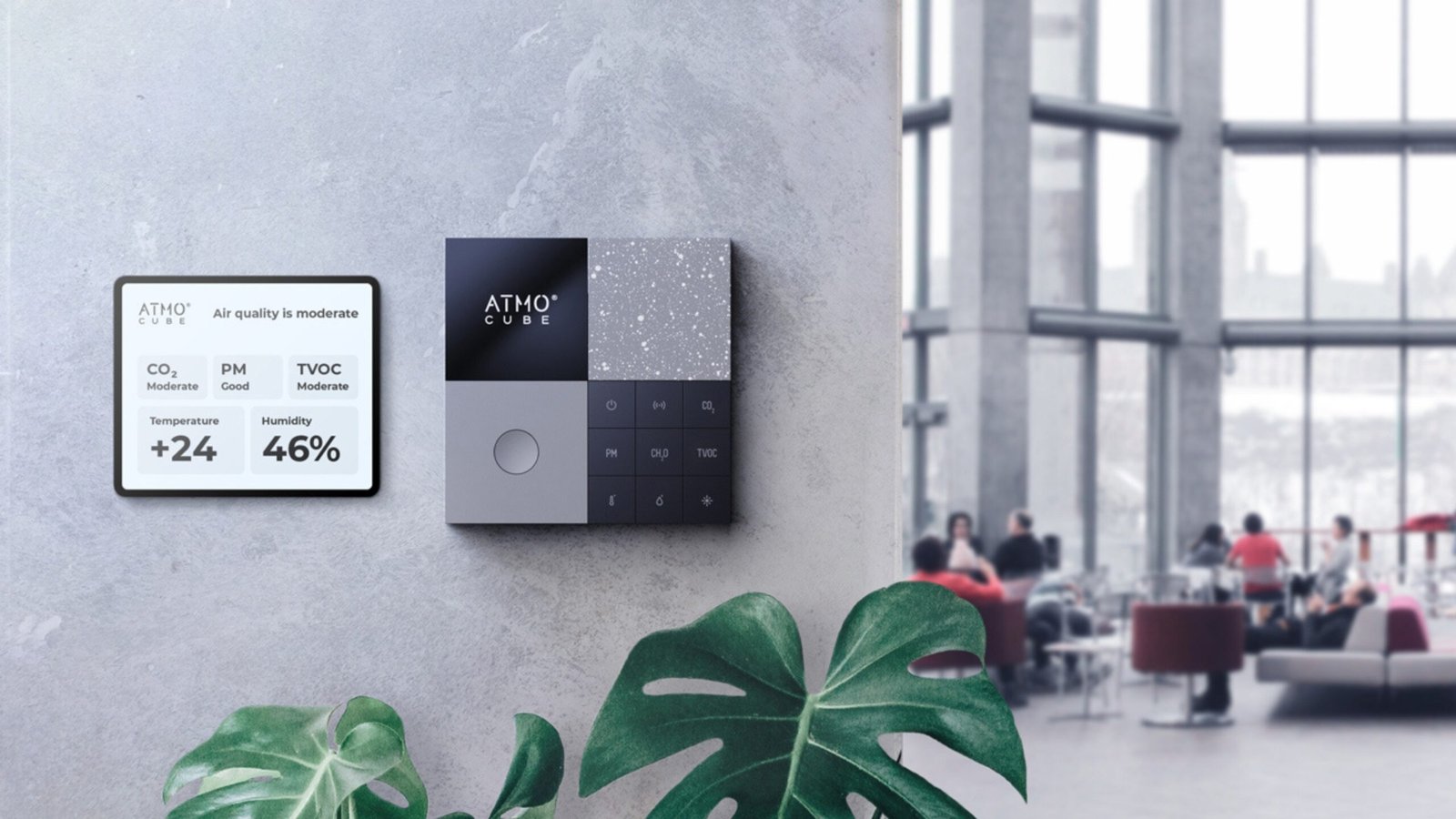
PM2.5 and PM10
Fine particulates are what filtration removes. Measuring tells you whether purification is working.
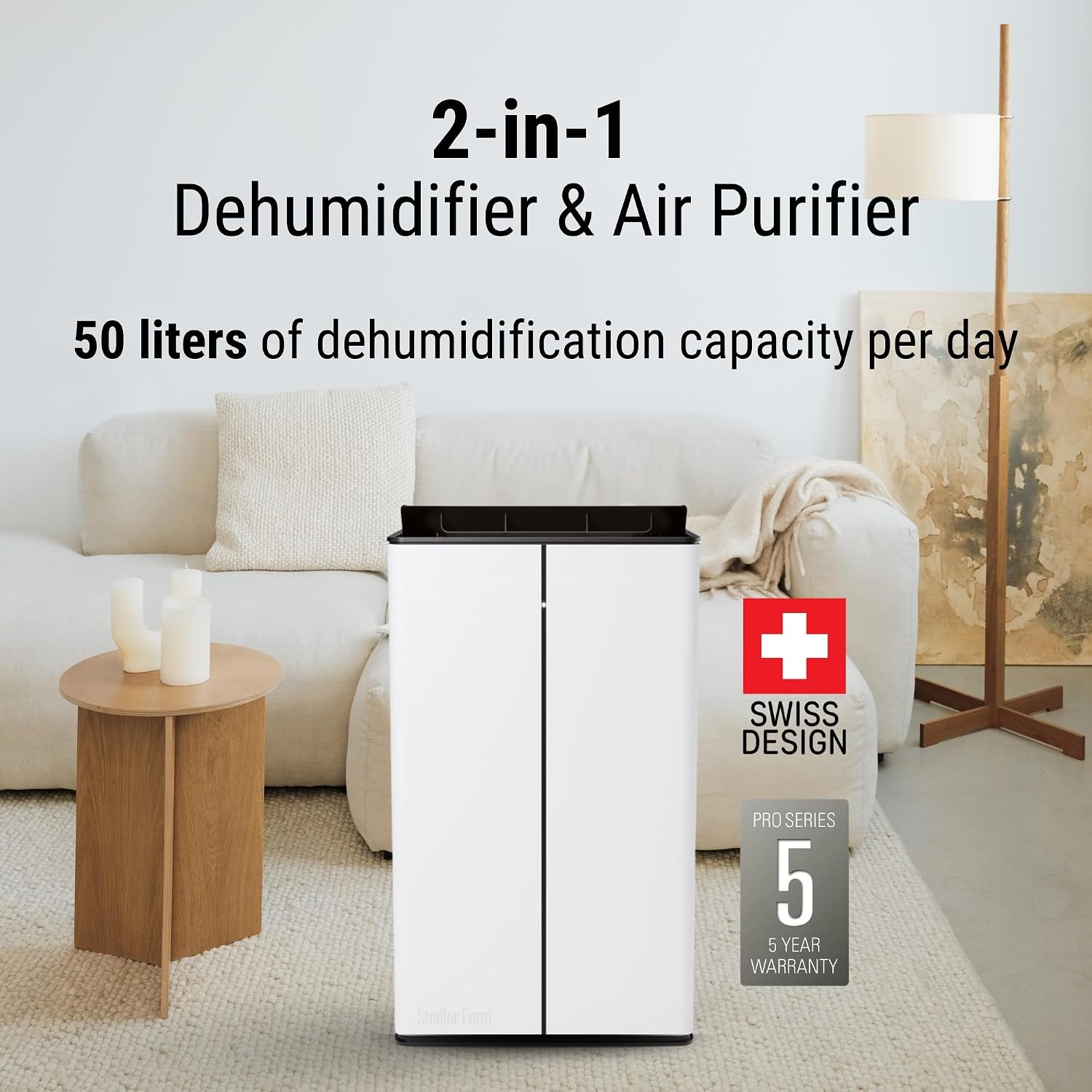
Humidity range
Too dry irritates airways, too damp encourages mould. Both are common in Gulf buildings at different seasons.
Log it, do not spot check
A single reading proves nothing. Continuous logging shows the pattern, which is what you act on.
Fixing it: ventilation, filtration, humidity, odour
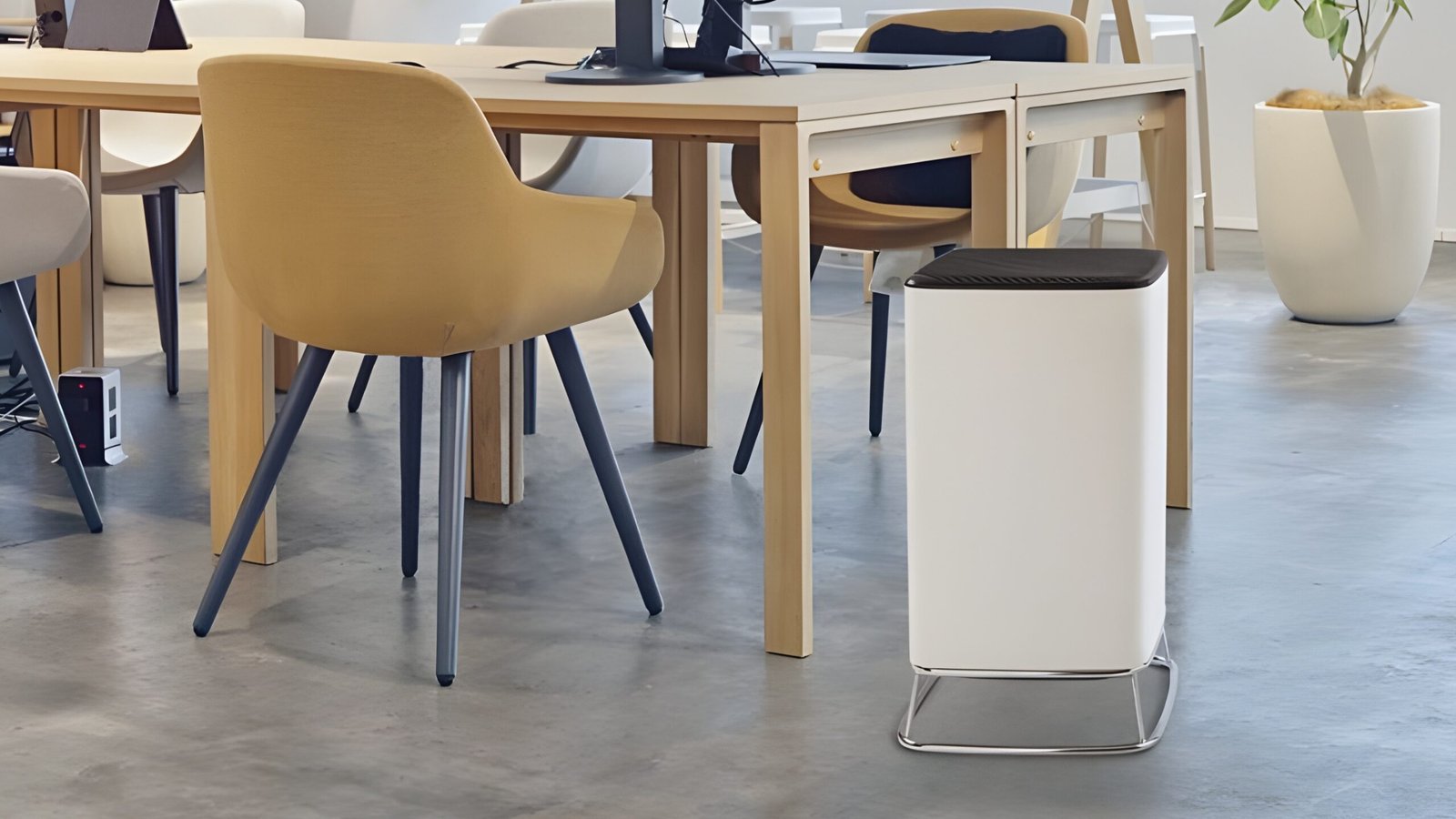
Four levers, applied in that order. Ventilation dilutes, filtration removes, humidity control keeps the range comfortable, and odour control handles what the other three do not. For the filtration lever in homes and offices specifically, see our guide to choosing an air purifier for dust.
Ventilation first
More fresh air per person is the primary fix for CO2. Filtration does not solve a ventilation problem.
Medical grade filtration
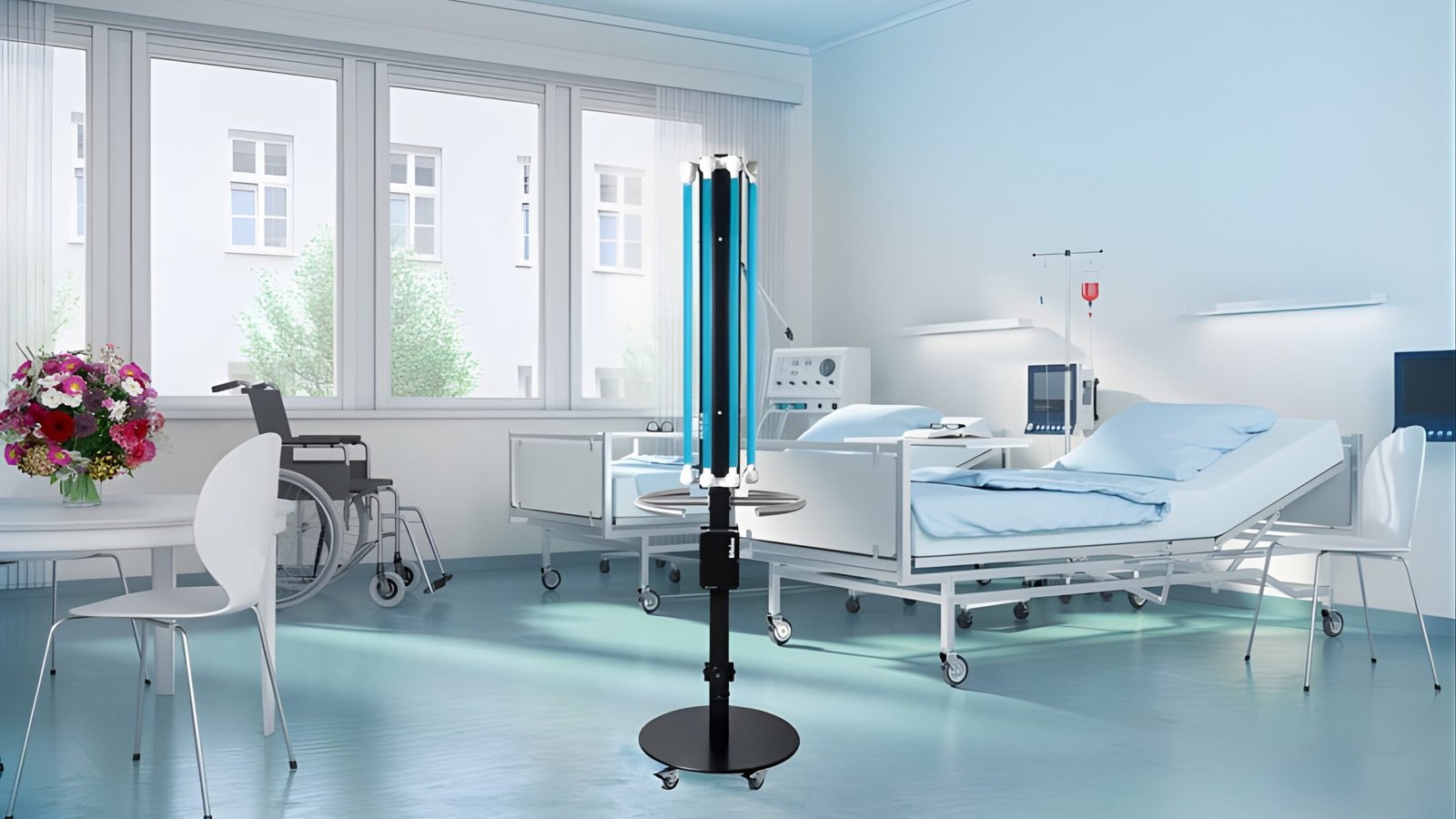
MedicAir purifiers are designed by British healthcare professionals and combine H13 or H14 HEPA filtration, activated carbon and an enclosed UV-C chamber. Our clinic and healthcare guide covers where they fit.
Humidity control
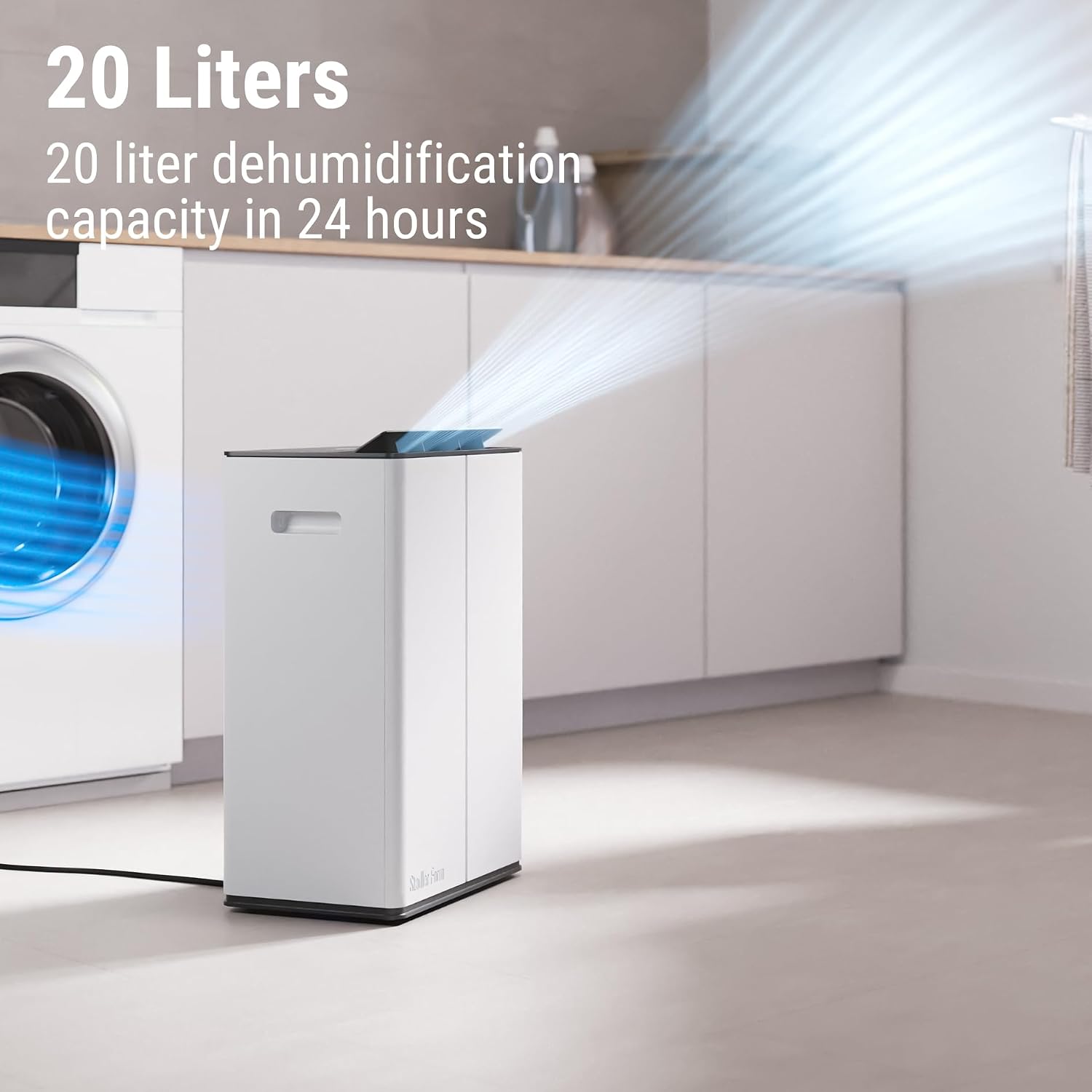
Stadler Form dehumidifiers and humidifiers hold the range that keeps airways comfortable and materials stable.
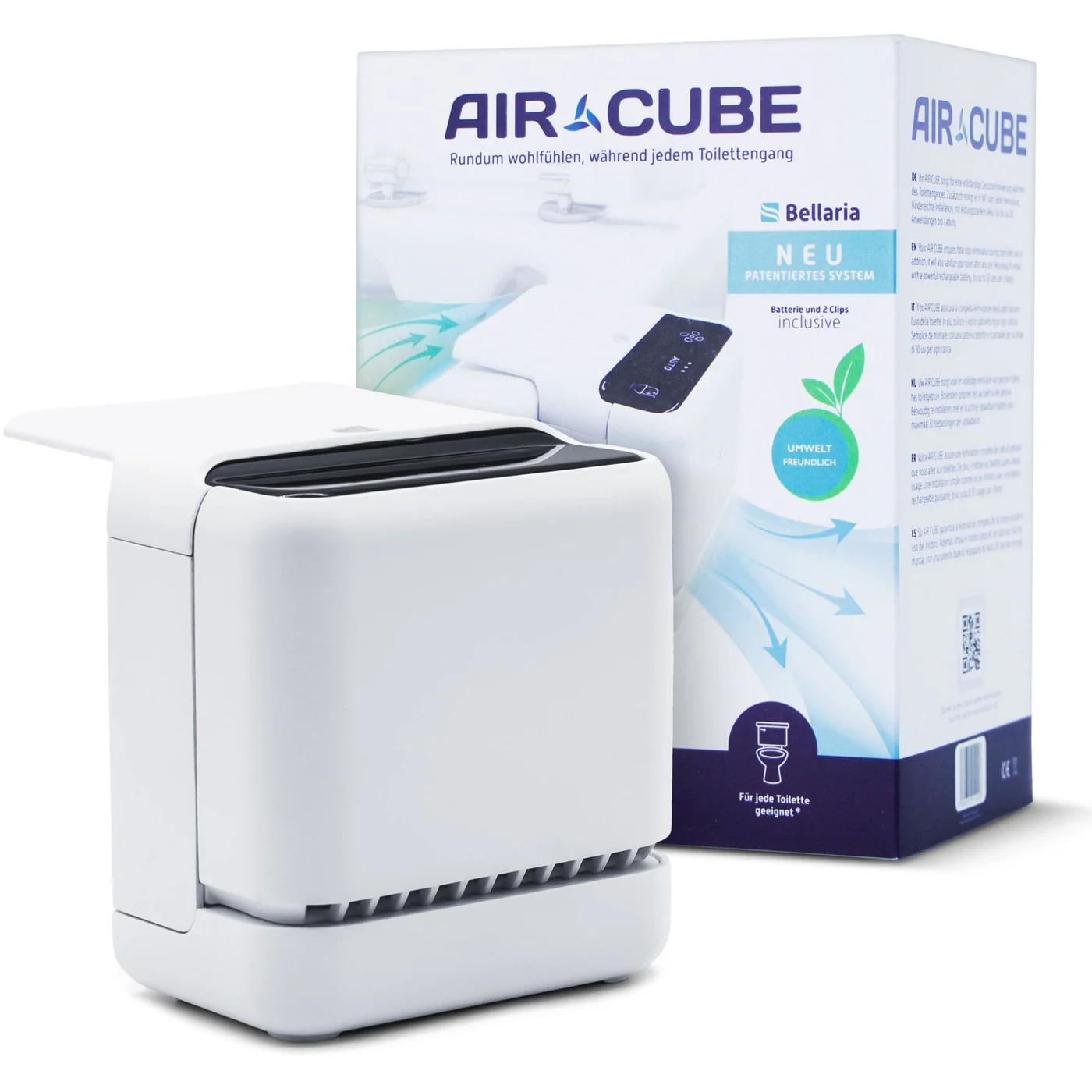
Washroom odour
Extract ventilation and regular cleaning come first in any shared washroom. For a lightly used toilet, such as a staff toilet, Bellaria AirCube treats odour at the bowl without fragrance; its manual limits it to three cleaning cycles an hour and says the device is not suitable for children.
Schools, clinics and offices need different things
The same four levers, weighted differently. A classroom is a ventilation problem, a clinic is a filtration and infection problem, an office is usually a comfort and productivity problem.
Classrooms
High occupancy, fixed timetable, predictable CO2 peaks. Monitoring plus ventilation usually solves it.
Clinics and waiting rooms
Shared air with unwell people. Medical grade filtration is the priority, and it is visible reassurance to patients.
Offices and meeting rooms
Meeting rooms are the worst air in most offices: small, full and often unventilated.
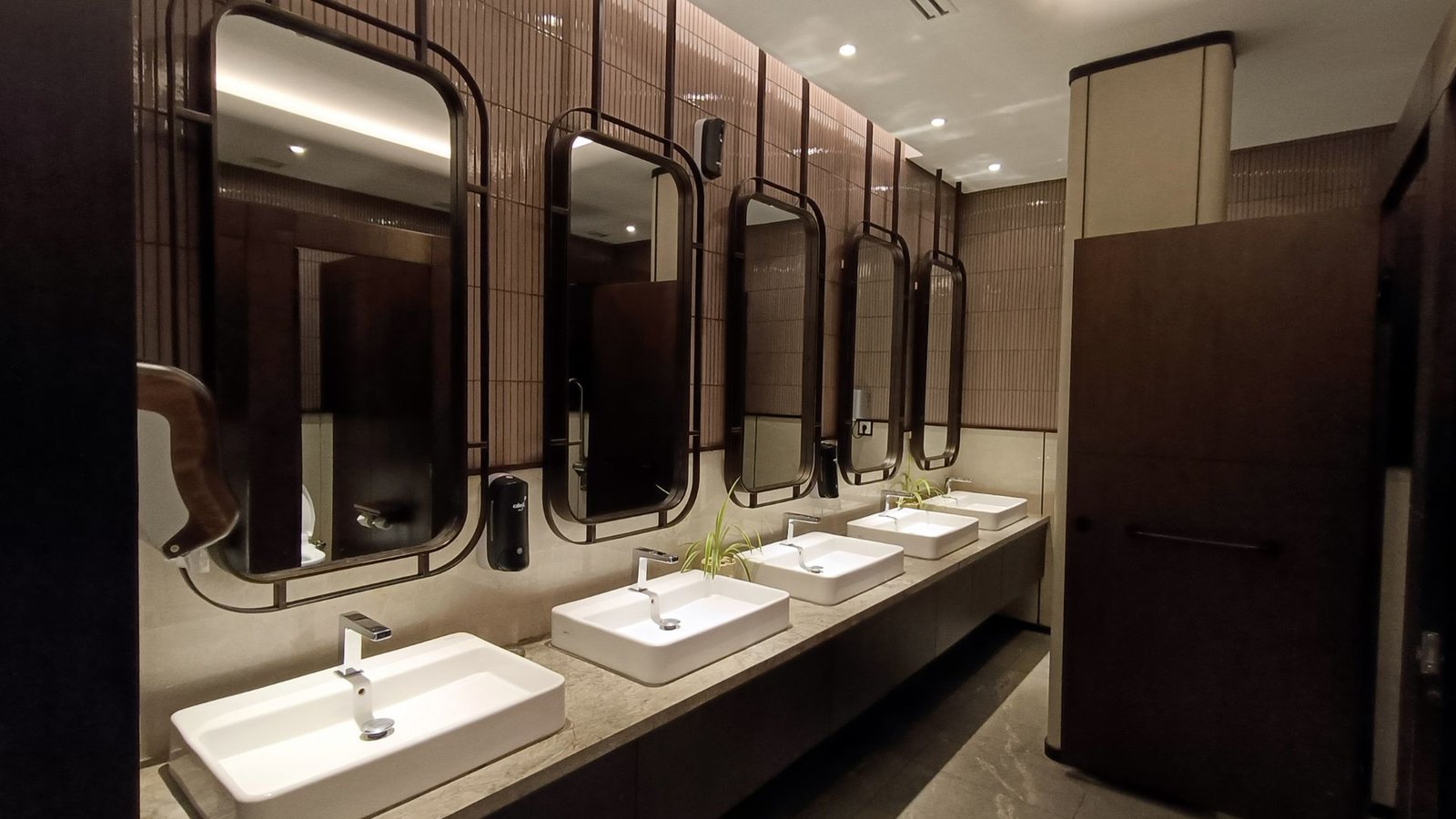
Washrooms and shared areas
Shared washrooms need strong extract ventilation and frequent cleaning; odour units at the bowl suit lightly used toilets, not busy ones.
Frequently asked questions
What is a good CO2 level for a classroom or office?
Outdoor air sits around 400 ppm. Indoors, levels rising well above roughly 1,000 ppm generally indicate insufficient fresh air for the number of people in the room, and are commonly associated with reported drowsiness and reduced concentration. The value of measuring is seeing when and where your own levels climb.
Do air purifiers help with CO2?
No. Filtration removes particulates, and some units address odour and microbes, but a purifier does not remove CO2. High CO2 is a ventilation problem and needs more fresh air. This is the single most common misunderstanding in indoor air quality.
Why is indoor air quality a particular issue in the UAE?
Because buildings stay sealed and air conditioned for most of the year, the same air is recirculated rather than replaced, and regional dust and construction raise particulate levels. The result is that indoor air quality has to be managed deliberately rather than solved by opening a window.
What air purification is appropriate for a clinic?
Look for a HEPA filter graded against a stated standard, a real activated carbon stage and published test results that name the model tested. MedicAir units, designed by British healthcare professionals, combine H13 or H14 HEPA, activated carbon and an enclosed UV-C chamber, and suit waiting rooms, consultation rooms and shared clinical spaces. No UAE rule requires a purifier in a clinic: it supplements the ventilation design rather than replacing it.
How do we deal with washroom odour without air freshener?
Start with extract ventilation and regular cleaning, which busy school, clinic and office washrooms depend on. For a lightly used toilet, such as a staff toilet, Bellaria AirCube draws air out of the bowl during use and treats it instead of masking the smell with fragrance. Its manual says it is not suitable for children and limits it to three cleaning cycles an hour, so it does not suit busy washrooms or washrooms used by children.
What should we measure first, and for how long?
Measure CO2, particulate matter, humidity and temperature continuously for at least a week across the rooms you are concerned about. A week of logged data almost always shows the problem is confined to particular rooms at particular times, which makes the remedy far cheaper than treating the whole building.
Is humidity a problem in the Gulf, given the climate?
Both extremes occur. Heavily air conditioned interiors can become too dry, which irritates airways, while coastal properties, villas and unoccupied rooms can become damp enough to encourage mould. Holding a comfortable range with dehumidification or humidification is part of managing indoor air, not a separate issue.
جودة الهواء الداخلي في المدارس والعيادات والمكاتب في الإمارات
تبقى المباني في دول الخليج مغلقة ومكيّفة معظم أيام السنة، ما يعني إعادة تدوير الهواء أكثر من تجديده، فترتفع نسبة ثاني أكسيد الكربون والجسيمات الدقيقة داخل الفصول الدراسية وغرف الانتظار وقاعات الاجتماعات. ابدأ بالقياس: ثاني أكسيد الكربون CO2 كمؤشر على كفاية التهوية، والجسيمات الدقيقة PM2.5 وPM10، والرطوبة ودرجة الحرارة، مع تسجيل مستمر لمدة أسبوع على الأقل. أجهزة تنقية الهواء لا تزيل ثاني أكسيد الكربون، فارتفاعه مشكلة تهوية تُحل بزيادة الهواء النقي. الحلول: تهوية أفضل أولًا، ثم الفلترة الطبية عبر أجهزة MedicAir المصممة بإشراف أطباء والتي تقضي على ما يصل إلى 99.99% من الفيروسات والبكتيريا، ثم ضبط الرطوبة عبر أجهزة ستادلر فورم، أما روائح دورات المياه فتبدأ معالجتها بالتهوية والتنظيف المنتظم، ويناسب جهاز Bellaria AirCube دورات المياه قليلة الاستخدام فقط. كلمات البحث: جودة الهواء الداخلي، جهاز قياس جودة الهواء، تنقية هواء المدارس، تنقية الهواء للعيادات والمستشفيات، أجهزة تنقية الهواء في دبي، التخلص من روائح دورات المياه، أجهزة إزالة الرطوبة. قسم حلول جودة الهواء في بروتكنولوجي يخدم الإمارات ودول الخليج.
Measure your building before you buy anything
We will help you monitor CO2, particulates and humidity across the rooms that matter, then specify only what the data justifies.