Why Your UV Print Peels, Beads or Scratches Off, and What Actually Fixes It
Published · PRO TECHnology Digital Printing
Most UV printing failures are not printing failures. The ink was fine, the machine was fine and the artwork was fine. The surface was never prepared to hold the ink. This is the part of the process signage and gifting companies skip most often, and it is the part that decides whether a print survives a dishwasher, a fingernail or a bottle of perfume.
- The actual problem
- Low surface energy, so ink beads on top instead of wetting into the material
- System
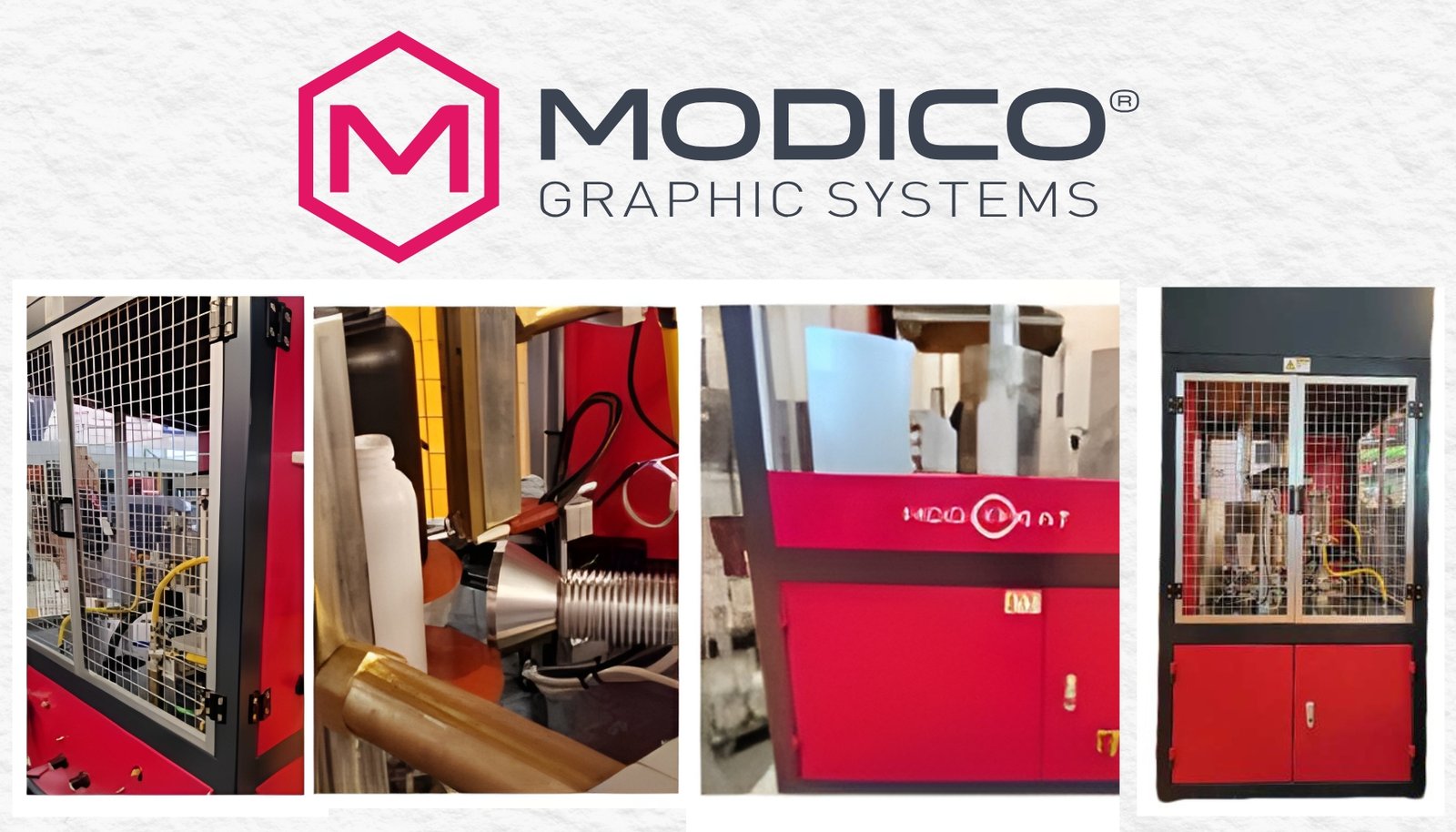
- MODICO ModiTreat, built in Germany by MODICO Graphic Systems
- Technologies
- Up to four pre-treatment technologies in one machine, used alone or combined
- Models
- ModiTreat M360-8 for continuous production, P360-1 for sampling and short runs
- Where it sits
- Before printing: clean, then treat, then print, then cure
- Fixes
- Peeling signage, dishwasher failure, alcohol wipe-off, scratch and cross hatch failures
- Typical materials
- Acrylic, glass, coated and powder coated metal, plastics and polymers
- Batch consistency
- Removes the same artwork, same machine, different result problem
- Test method
- Cross hatch adhesion testing to ISO 2409 rather than judging by eye
- Region
- Supplied, installed and supported by PRO TECHnology across the UAE, GCC and MENA
- Proven locally
- Sun Studio in Al Quoz runs ModiTreat alongside its UV printers
- Contact
- +971 4 343 5501, sales@protech.ae
Key takeaways
- Most UV print failures trace to low surface energy, where ink beads on top of the material instead of wetting into it.
- Cleaning removes dust and oils but does not raise surface energy; clean, treat, print and cure are four separate steps.
- MODICO ModiTreat combines up to four pre-treatment technologies in one machine; the M360-8 suits continuous production and the P360-1 short runs.
- Judge adhesion with a cross hatch test to ISO 2409 rather than by eye, and treat every incoming batch to remove variability.
Start here: what surface energy actually means
Forget the chemistry for a moment and look at a droplet. On an untreated surface the ink beads up and sits on top, held only by its own skin. Raise the surface energy and the droplet spreads, wets the material and bonds into it. That single difference is what you feel three months later.
Untreated: the ink beads
The droplet holds its own shape and rests on the surface. It looks printed, but nothing is gripping the material.
Treated: the ink wets
Surface energy rises, the droplet spreads out and the ink bonds into the surface instead of sitting on it.
Why it fails weeks later
A print resting on the surface passes visual inspection on day one and lifts after handling, washing or sunlight.
Clean is not the same as treated
Wiping a panel removes dust and oils. It does not raise surface energy. Cleaning and treating are two separate steps.
The five failures signage and gifting companies keep hitting
If you produce signage, promotional items or corporate gifts, you will recognise all of these. Not one of them is fixed by better artwork, more ink or a different printer.
Signage peeling outdoors
Panels that looked perfect on installation start lifting after a few months of Gulf sun and heat.
Mugs failing the dishwasher
Printed tumblers, mugs and drinkware lose the design after a handful of wash cycles, and the client notices before you do.
Perfume wiping the print away
Alcohol in the fragrance attacks the print on the bottle, and the branding smudges or lifts.
Scratching off with a fingernail
The print passes visual inspection, then fails the first tape pull or cross hatch test the client runs.
Where pre-treatment sits in production
Four steps, one of which most people skip. Clean, treat, print, cure. The treat step is where the adhesion is actually won, and it happens before a single drop of ink is laid down.
1. Clean
Remove dust, oils, fingerprints and the release agents left behind by moulding, coating or transport.
2. Treat
Raise the surface energy so the ink wets the material properly instead of beading and pulling away.
3. Print and cure
With the surface prepared, the same printer and the same ink suddenly produce a print that stays put.
4. Test properly
Cross hatch to ISO 2409 rather than judging by eye. A print that survives the blade and the tape will survive the client.
Two machines, and who each one is for
MODICO ModiTreat integrates up to four pre-treatment technologies in a single machine, used independently or combined. The choice between the two configurations comes down to how many parts you treat per shift and how treatment sits inside your workflow.
ModiTreat M360-8
For production environments where pre-treatment runs continuously alongside printing, part after part.
ModiTreat P360-1
For sampling, short runs, and businesses adding pre-treatment to a UV printer they already own.
Made in Germany
Built by MODICO Graphic Systems for industrial surface preparation, supplied and supported from Dubai.
Ask Sun Studio
Sun Studio in Al Quoz runs ModiTreat next to its UV printers. Its clients keep returning because the finish holds up, which is the whole argument for pre-treatment in one sentence.
Frequently asked questions
Why is my UV print not sticking to acrylic or plastic?
Almost always because the surface energy is too low. On an untreated surface the ink beads up and sits on top, held only by its own surface tension, instead of wetting into the material. Cleaning alone does not fix this. The surface has to be treated to raise its energy before printing, which is what a MODICO ModiTreat system does.
Why does printing come off printed mugs in the dishwasher?
Because the ink is resting on the surface rather than bonded into it. Heat, water and detergent then lift it. Pre-treating the drinkware before printing raises the surface energy so the ink bonds, which is what allows a printed mug or tumbler to survive repeated wash cycles.
Why does perfume remove the print from a bottle?
Alcohol in the fragrance attacks a print that is only sitting on the glass, so the branding smudges or lifts. With correct surface pre-treatment the ink bonds into the surface, which is what makes printed perfume bottles survive contact with the fragrance itself.
Is pre-treatment worth it for corporate gifting and promotional items?
It is arguably more important for gifting than for signage. A gift is handled, washed and inspected closely, and a print that scratches off with a fingernail damages the brand that ordered it. Pre-treatment is what turns a promotional item from a print that looks right into one that survives use.
How do I test whether adhesion is good enough?
Use a cross hatch adhesion test to ISO 2409 rather than judging by eye. Cut a grid into the print, apply and remove tape, and see how much of the print lifts. It takes minutes and it is the same test your client will run when they are unhappy.
Why does the same job work on one batch and fail on the next?
Because the incoming material changed. Different suppliers, coatings, release agents and storage conditions all change surface energy, even when the substrate is nominally identical. A consistent pre-treatment step removes that variability, which is why production printers treat every batch rather than assuming.
Do I need a separate machine, or can I add pre-treatment to my existing printer?
Both are possible. The ModiTreat P360-1 suits sampling, short runs and businesses adding pre-treatment to a UV printer they already own, while the M360-8 is for production environments where treatment runs continuously alongside printing. PRO TECHnology supplies, installs and supports both across the UAE, GCC and MENA.
لماذا ينزع طباعة UV ولا تلتصق؟ المعالجة السطحية قبل الطباعة للافتات والهدايا
معظم مشاكل طباعة UV ليست مشاكل طباعة. الحبر سليم والماكينة سليمة والتصميم سليم، لكن السطح لم يُجهّز ليمسك بالحبر. على السطح غير المعالج تتجمع قطرة الحبر وتبقى فوق السطح دون أن ترتبط به، وعند رفع الطاقة السطحية تنتشر القطرة وتتشرب في المادة فيلتصق الحبر داخل السطح لا فوقه. هذه هي الخطوة التي تحل مشاكل: تقشر الطباعة على اللوحات الإعلانية بعد أشهر تحت الشمس والحرارة، وزوال الطباعة عن الأكواب والمجات في غسالة الصحون، ومسح الكحول في العطر للطباعة على الزجاجة، والخدش بالظفر ورسوب اختبار التشبيك المتقاطع، وتجمّع الحبر وعدم انتشاره على الأكريليك والمعادن المطلية والزجاج، واختلاف النتيجة بين دفعة وأخرى بنفس الماكينة ونفس التصميم. أنظمة MODICO ModiTreat الألمانية تدمج حتى أربع تقنيات معالجة سطحية في ماكينة واحدة، بموديل M360-8 للإنتاج المستمر وموديل P360-1 للعينات والكميات الصغيرة أو للإضافة إلى طابعة UV قائمة. الترتيب الصحيح: تنظيف ثم معالجة ثم طباعة ثم تجفيف، مع اختبار التصاق بمعيار ISO 2409 بدل الحكم بالعين. تناسب شركات اللوحات والدعاية والإعلان، وشركات الهدايا الدعائية والهدايا المؤسسية، والطباعة على الأكريليك والزجاج والمعادن والبلاستيك، وتضمن طباعة مقاومة للخدش وآمنة في غسالة الصحون ومقاومة للكحول على عبوات العطور. تتولى بروتكنولوجي التوريد والتركيب والتدريب والدعم في الإمارات ودول الخليج ومنطقة الشرق الأوسط وشمال أفريقيا، ويشغّل استوديو صن ستوديو في القوز بدبي أنظمة ModiTreat إلى جانب طابعات UV لديه.
Send us the material that keeps failing
Send the substrate your print will not stay on, and we will treat it, print it and cross hatch test it at Sun Studio in Al Quoz, Dubai. You will see the difference between ink resting on a surface and ink bonded into one.