Printing Large Glass Panels and Acoustic Panels: the 2.5 Metre Belt Machine Behind It
Published · PRO TECHnology Digital Printing
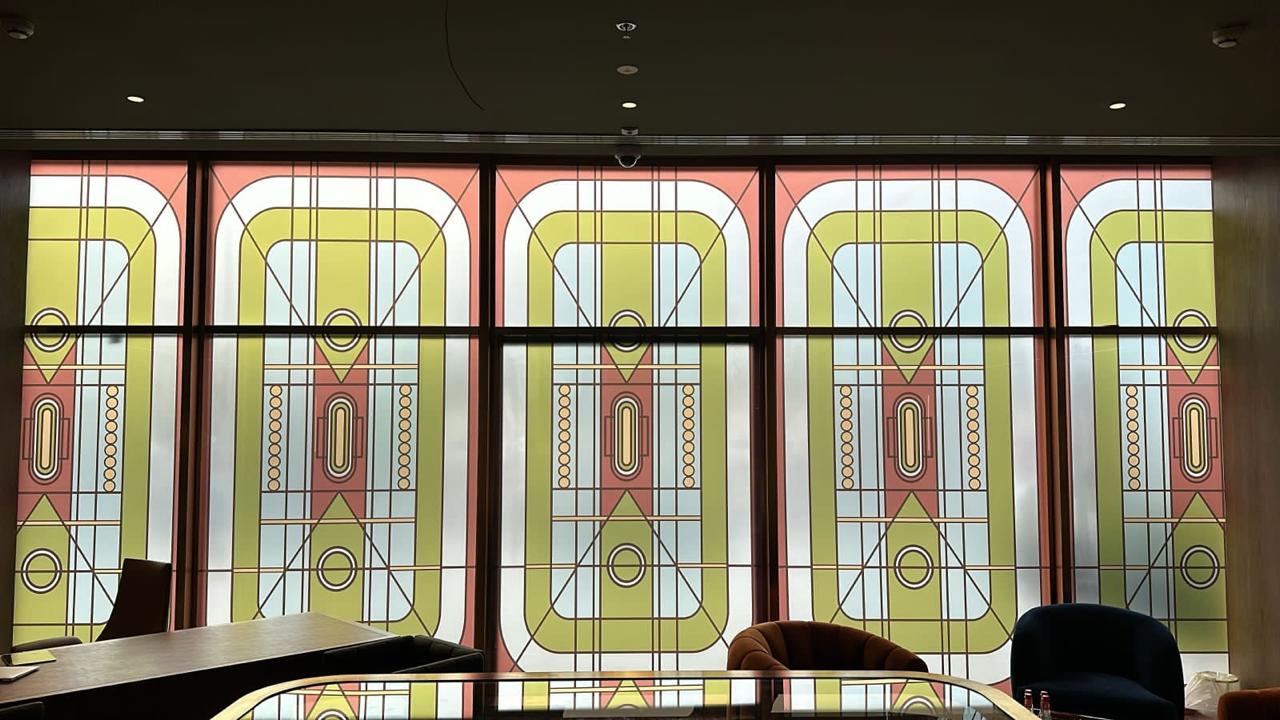
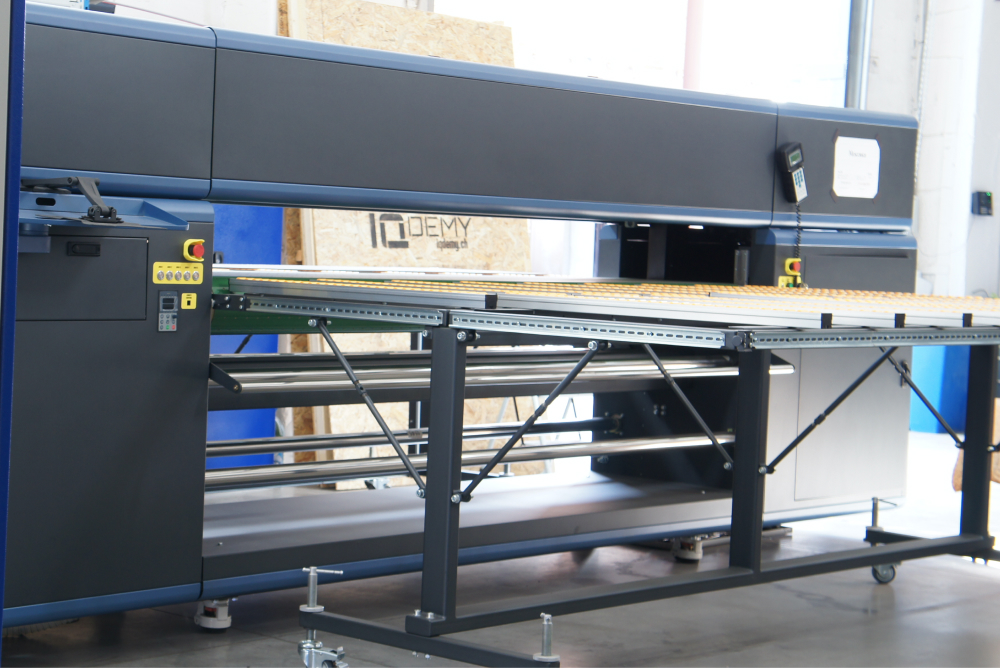
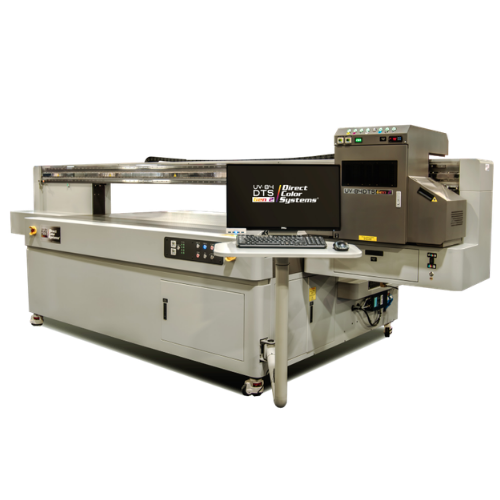
IQDEMY's Swiss-built EVO 2500 runs a continuous belt at 2.5 metres wide with no limit on print length, so a large glass panel, a feature wall or a run of acoustic panels prints as one unbroken image. Sun Studio in Dubai runs this work for mall, office and hospitality interiors, fit-out contractors and interior designers, and PRO TECHnology supplies the machines across the Middle East.
- Maximum media width
- 2.5 metres
- Print length
- Unlimited, because media travels on a continuous belt rather than a fixed bed
- Machine
- IQDEMY EVO 2500 hybrid UV-LED, engineered in Sierre, Switzerland
- Flexible and rigid
- Expandable side tables take rigid sheet work without a separate flatbed
- Material thickness
- Up to 200 mm sheet
- Printheads
- Ricoh Gen5, three to eight, any eight-colour combination
- Speed
- 32 to 62 square metres per hour at 508 x 1200 dpi
- Fine detail
- Droplet size 3.5 to 21 pL with variable dot printing and white ink circulation
- Adhesion on glass
- MODICO ModiTreat surface pre-treatment before printing
- UV and scratch resistance
- Marabu post-treatment coatings after printing
- Printed by
- Sun Studio, Al Quoz Dubai, UV printing on any surface and any material
- Contact
- +971 4 343 5501, sales@protech.ae
Key takeaways
- The IQDEMY EVO 2500 prints 2.5 metres wide on a continuous belt, so length is limited by the panel rather than a fixed bed.
- Ricoh Gen5 printheads deliver 32 to 62 square metres per hour at 508 x 1200 dpi, and 15 to 30 at 508 x 2400 dpi.
- Glass printing runs in three stages: MODICO ModiTreat pre-treatment, UV-LED printing, then Marabu coatings for UV and scratch resistance, confirmed by cross hatch testing.
- Acoustic panels are porous, so variable dot printing from 3.5 to 21 pL controls ink laydown without filling the structure that absorbs sound.
Why the belt matters for architectural work
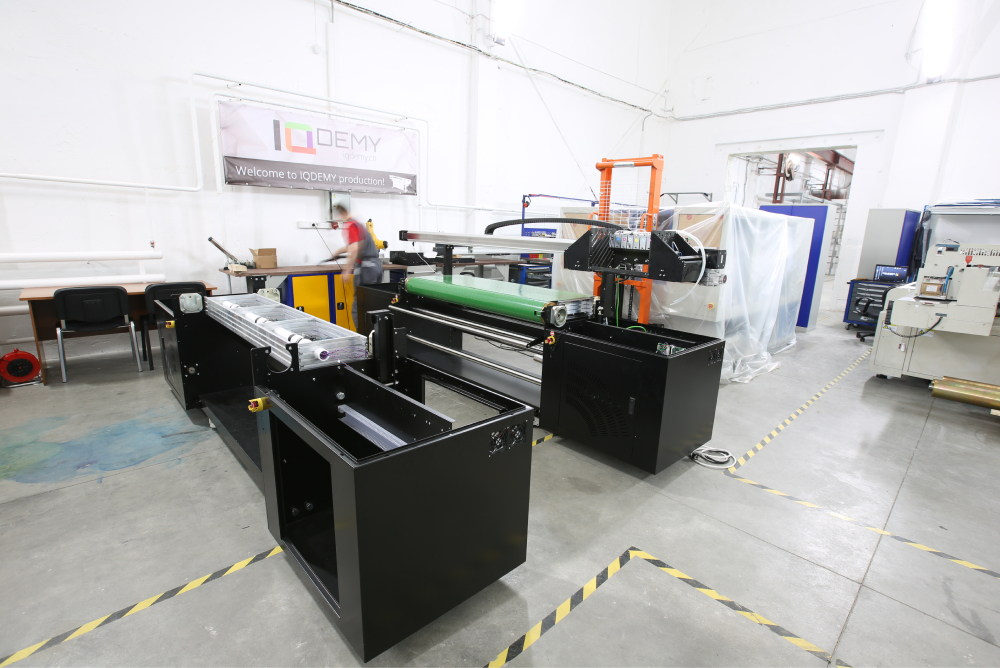
On a flatbed, print length is limited by the bed. On a continuous belt the media travels through the machine, so length is limited by the roll or the panel, not by the printer. For architectural glass and long acoustic runs, that is the whole difference.
2.5 metres wide
Full architectural panel width in a single pass, so a large glass panel does not have to be split into tiles.
No length limit
Media runs on the belt, so a corridor, a long run of glass panels or a continuous acoustic wall prints as one unbroken image.
No visible joins
One continuous print means no tiled seams to line up on site, which is what usually gives a printed wall away.
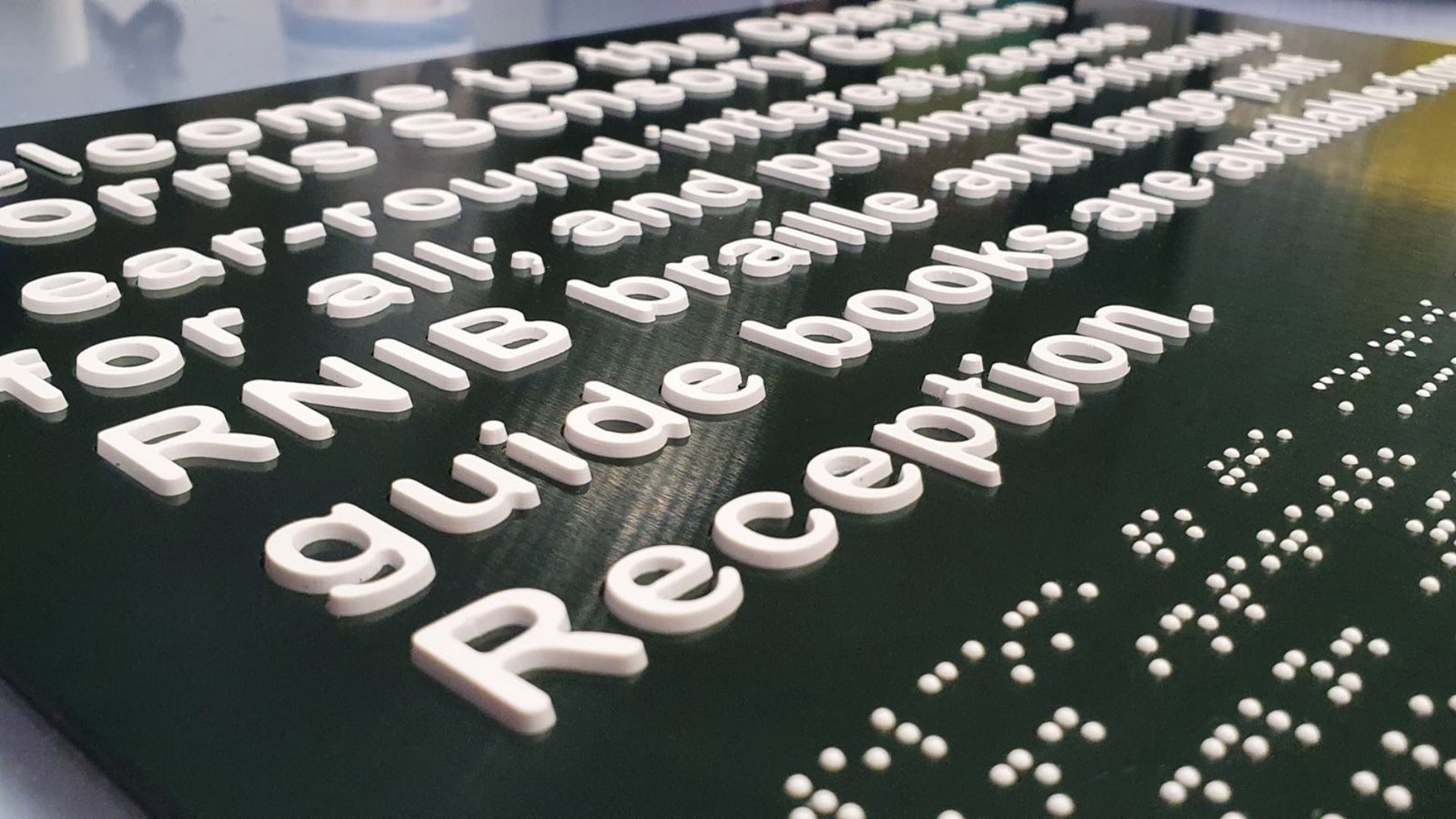
Rigid and flexible on one machine
Expandable side tables handle rigid sheet up to 200 mm thick, so board work and roll work share the same asset.
Printing on glass: adhesion is the whole job
Glass is the hardest common substrate to print on, because ink has nothing to key into. Getting a durable result is a three-stage process, and the printing is only the middle stage.
1. Pre-treat with MODICO
ModiTreat raises the surface energy so the ink wets and bonds into the glass instead of resting on top of it.
2. Print with UV-LED
Eight colour capability with white ink circulation, so artwork holds up on clear, back-painted and tinted glass.
3. Post-treat with Marabu
Marabu coatings after printing add UV resistance and scratch resistance, which is what protects the print in daylight.
Test before you commit
Adhesion is validated by cross hatch testing on your actual glass and coating, not assumed from a sample.
Acoustic panels, and why printing them is different
Acoustic panels are porous by design, because that is how they absorb sound. The print has to sit on the surface without filling the structure that makes the panel work.
Full width panels
At 2.5 metres, standard acoustic panel widths print in one pass with no tiling across the face.
Long continuous runs
A whole wall of panels can print as one continuous artwork, then be cut, so the image runs across the installation.
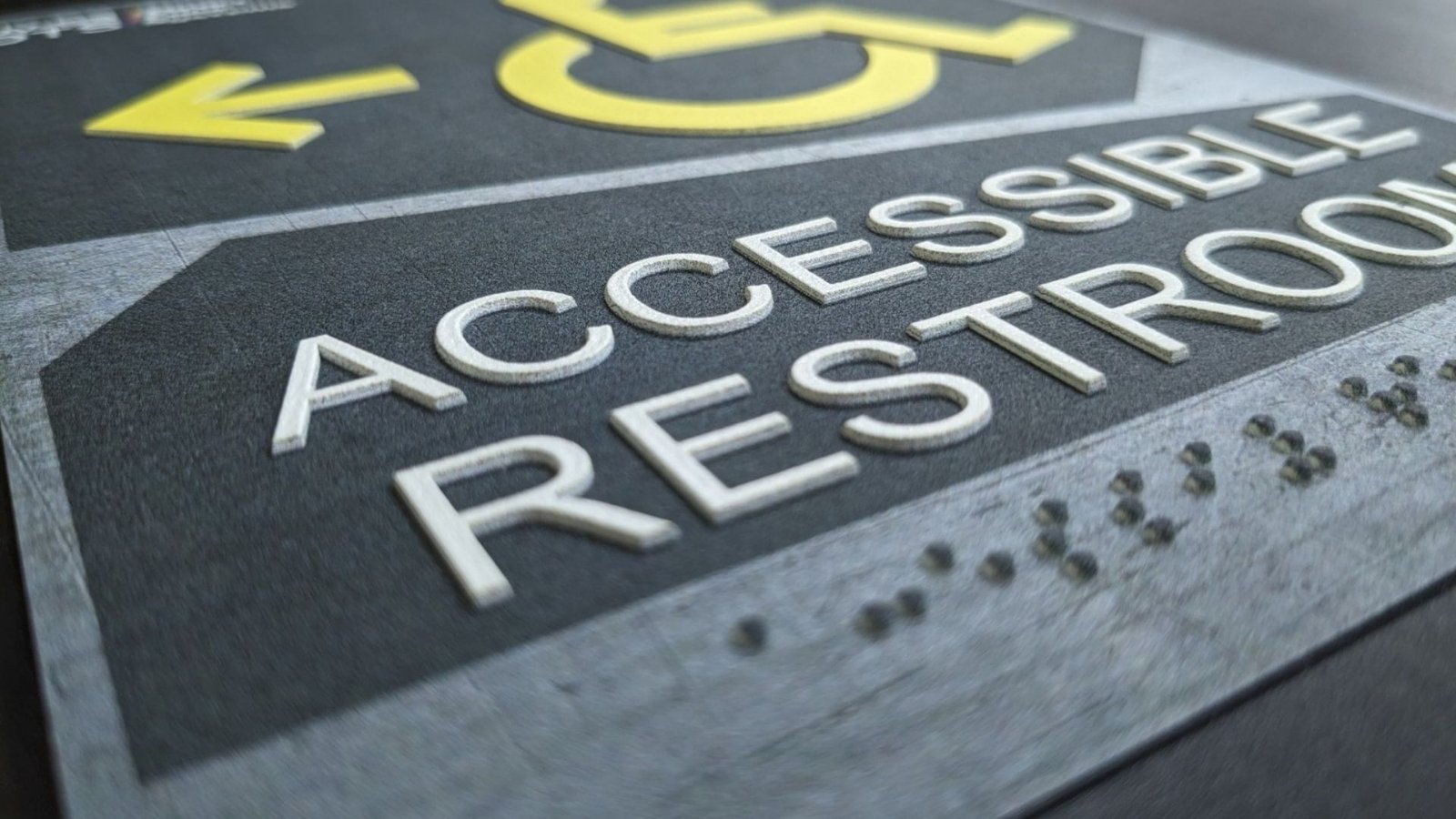
Variable dot for texture
Droplet sizes from 3.5 to 21 pL give control over ink laydown on absorbent and textured surfaces.
Fit-out friendly
Printed acoustic panels give interior designers acoustic performance and a bespoke image in one element.
Where this work goes in the Gulf
Malls, airports, hospitality and high-end residential fit-outs. These are projects where the print has to survive daylight and cleaning for years, and where a visible seam is not acceptable.
Malls and retail
Feature glass, atrium panels and large graphics that have to hold colour under constant lighting.
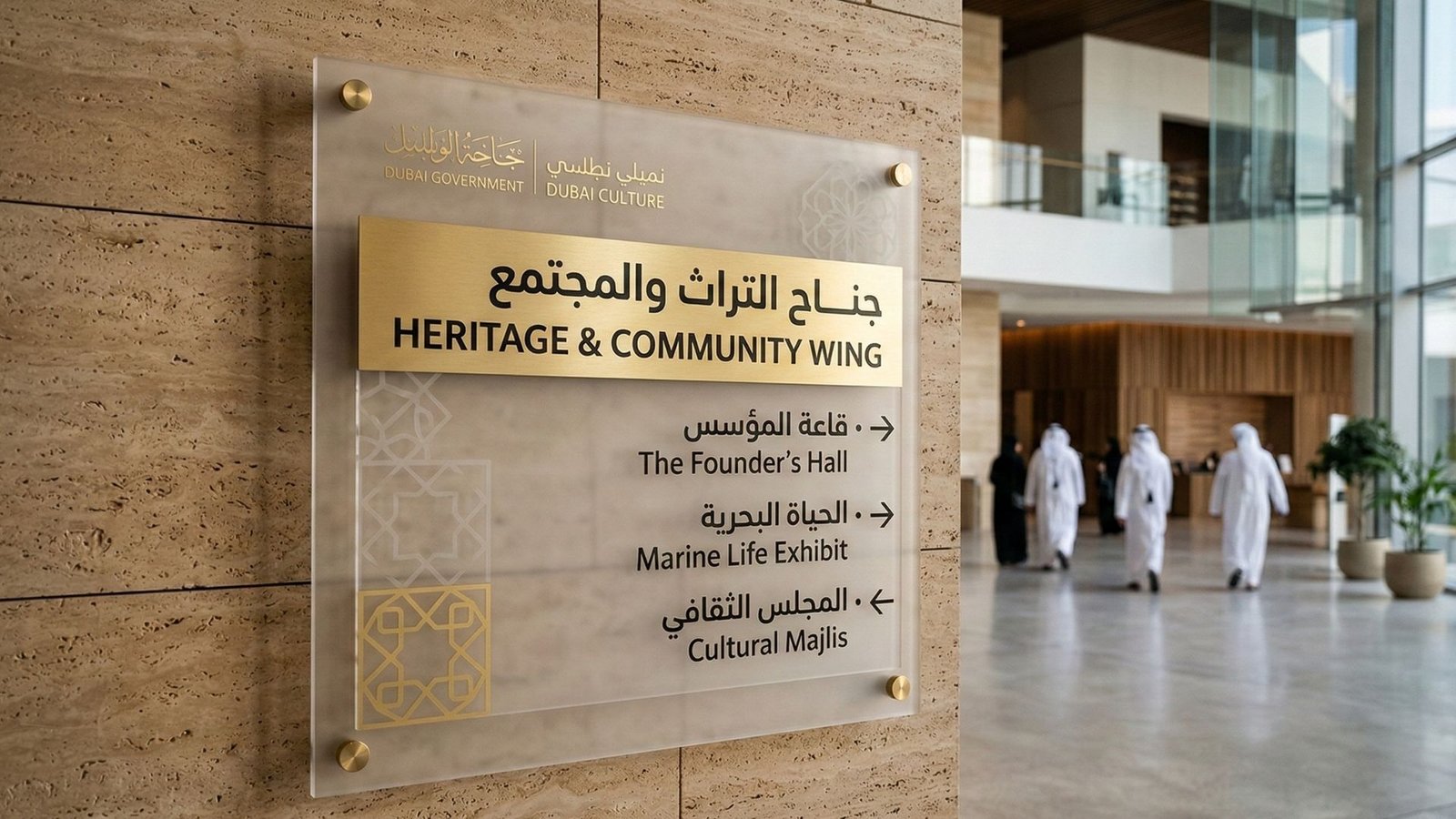
Airports and transport
Long continuous runs, durable surfaces and print that survives heavy cleaning schedules.
Interior design and luxury homes
Bespoke printed glass splashbacks, partitions and feature panels for high-end residential projects.
Printed by Sun Studio
Sun Studio in Al Quoz are the UV printing specialists producing this work, on any surface and any material.
Frequently asked questions
How wide can you print on glass in Dubai?
The IQDEMY EVO 2500 prints up to 2.5 metres wide, and because media travels on a continuous belt rather than a fixed bed there is no limit on print length. That means a large architectural glass panel or a long feature run prints as one unbroken image with no tiled seams.
Will printing on glass stay on, or does it peel?
It stays on when the glass is pre-treated first. Ink has nothing to key into on bare glass, so MODICO ModiTreat pre-treatment raises the surface energy and the ink bonds into the surface rather than resting on it. Marabu post-treatment coatings are then applied for UV and scratch resistance. Adhesion should be cross hatch tested on your actual glass before production.
Can you print on acoustic panels?
Yes. Acoustic panels are porous by design, so the print has to sit on the surface without filling the structure that gives the panel its acoustic performance. Variable dot printing with droplet sizes from 3.5 to 21 pL gives control over ink laydown on absorbent and textured surfaces, and at 2.5 metres wide standard panels print in a single pass.
Is printed glass UV resistant in Gulf daylight?
With the correct post-treatment, yes. Marabu coatings applied after printing add UV resistance and scratch resistance, which is what protects colour in the high daylight levels typical of Gulf malls and atriums. Façades and exterior structural glazing are usually specified in fired ceramic frit from the glass processor.
How fast is large format UV printing?
The EVO 2500 runs at 32 to 62 square metres per hour at 508 x 1200 dpi, and 15 to 30 square metres per hour at the higher 508 x 2400 dpi setting. Which you use depends on viewing distance: architectural glass seen close up justifies the slower, higher resolution pass.
Can the same machine print rigid panels as well as roll media?
Yes. The EVO 2500 is a hybrid: expandable side tables take rigid sheet work up to 200 mm thick without needing a separate flatbed, so roll production and board work run on one asset rather than two machines.
Do we buy the machine or can Sun Studio print the project?
Both. Sun Studio in Al Quoz, Dubai produces glass printing and acoustic panel printing as a service for mall, office and hospitality interiors, fit-out contractors and interior designers. PRO TECHnology supplies, installs and services IQDEMY machines across the Middle East for companies that want the capability in house.
الطباعة على الزجاج والألواح العازلة للصوت بمقاسات كبيرة في دبي
توفّر بروتكنولوجي أنظمة الطباعة السويسرية IQDEMY EVO 2500 ذات السير الناقل المستمر، بعرض طباعة يصل إلى 2.5 متر ودون أي حد لطول الطباعة، لأن الخامة تمر على السير بدلًا من الثبات على طاولة، فتُطبع الألواح الزجاجية الكبيرة والجدران العازلة للصوت كصورة واحدة متصلة دون فواصل أو خطوط التقاء ظاهرة. الماكينة هجينة UV-LED تطبع على الخامات المرنة والصلبة حتى سماكة 200 ملم، برؤوس طباعة Ricoh Gen5 وثماني ألوان وحبر أبيض، وبسرعة تتراوح بين 32 و62 مترًا مربعًا في الساعة. سر نجاح الطباعة على الزجاج هو المعالجة: معالجة سطحية مسبقة بأنظمة MODICO ModiTreat لرفع الطاقة السطحية فيلتصق الحبر داخل السطح لا فوقه، ثم معالجة لاحقة بطبقات Marabu لمقاومة الأشعة فوق البنفسجية والخدش، وهو ما يحافظ على الألوان تحت ضوء النهار في الخليج. كلمات البحث: الطباعة على الزجاج في دبي، طباعة ألواح زجاجية كبيرة، الطباعة على الألواح العازلة للصوت، طباعة معمارية، طباعة على الواجهات الزجاجية، ديكور زجاجي مطبوع، طباعة بمقاسات كبيرة، طباعة UV على الزجاج. تنفّذ الطباعة صن ستوديو في القوز بدبي لمشاريع المولات والمطارات وشركات التصميم الداخلي والفلل الفاخرة، وتوفّر بروتكنولوجي الماكينات والتركيب والتدريب والصيانة في الشرق الأوسط.
Send us the panel and the artwork
Bring a sample of your glass or acoustic panel and we will pre-treat it, print it, coat it and cross hatch test the adhesion, so you see the finished specification before it goes near a project.