Industrial UV printing in the UAE: choose the printer by the surface
The surface decides the machine, not the brochure. This guide matches flat, cylindrical, wall, long format and confectionery work to the right industrial UV printer, and explains why pre-treatment, not the printer, decides how long the print survives. PRO TECHnology is the authorised distributor and partner for every brand in the division across the Middle East.
- Authorised distributor
- Middle East distributor and partner for every brand in the division: LSINC, wallPen, IMAGO, Direct Color Systems, MODICO, IQDEMY and Marabu
- Machine manufacturers represented
- Six, plus Marabu inks and coatings
- Made in
- USA, Germany, Switzerland and Poland
- Surfaces covered
- Flat, cylindrical, wall, long format, confectionery
- DCS flatbed print areas
- 44 x 61 cm up to 250 x 130 cm
- LSINC rated output
- 174 to 1,146 pieces per hour
- wallPen print size
- Up to 4 m high, unlimited width
- Indoor wall print life
- 12 years or more
- IMAGO print speed
- 60 x 40 cm bed in around 35 seconds
- Minimum run
- One piece, no plates or screens
- Demo and test centre
- Sun Studio, Al Quoz, Dubai
- In digital printing since
- 2011
- Contact
- +971 4 343 5501, sales@protech.ae
Step one: pick the machine by the surface you print on
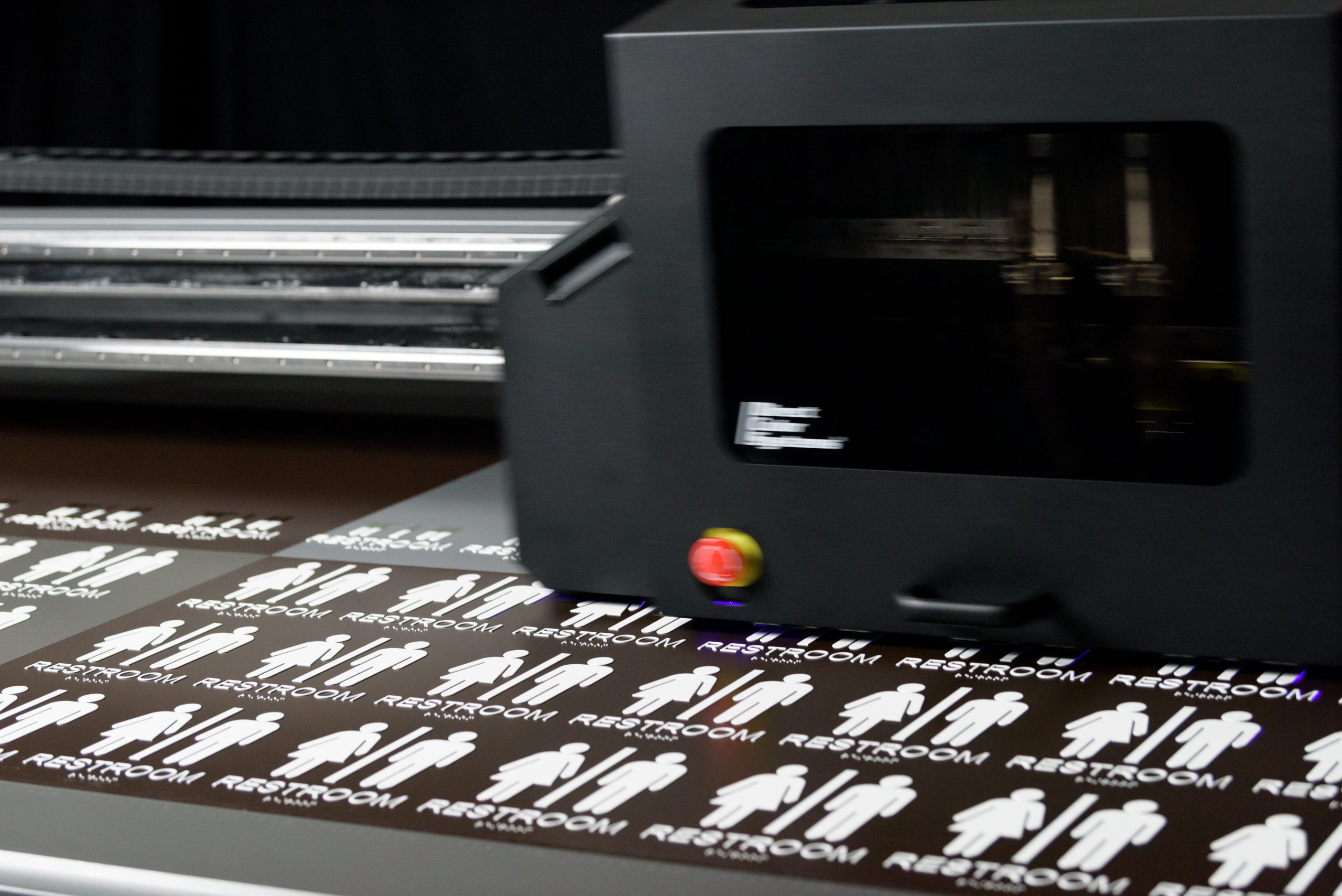
The first question is not brand or budget, it is what the object looks like. PRO TECHnology represents six machine manufacturers from the USA, Germany, Switzerland and Poland, and each one solves a different surface: flat and rigid, cylindrical, vertical walls, long format or confectionery. Settle the surface first, then narrow by volume.
Flat and rigid: DCS UV flatbed
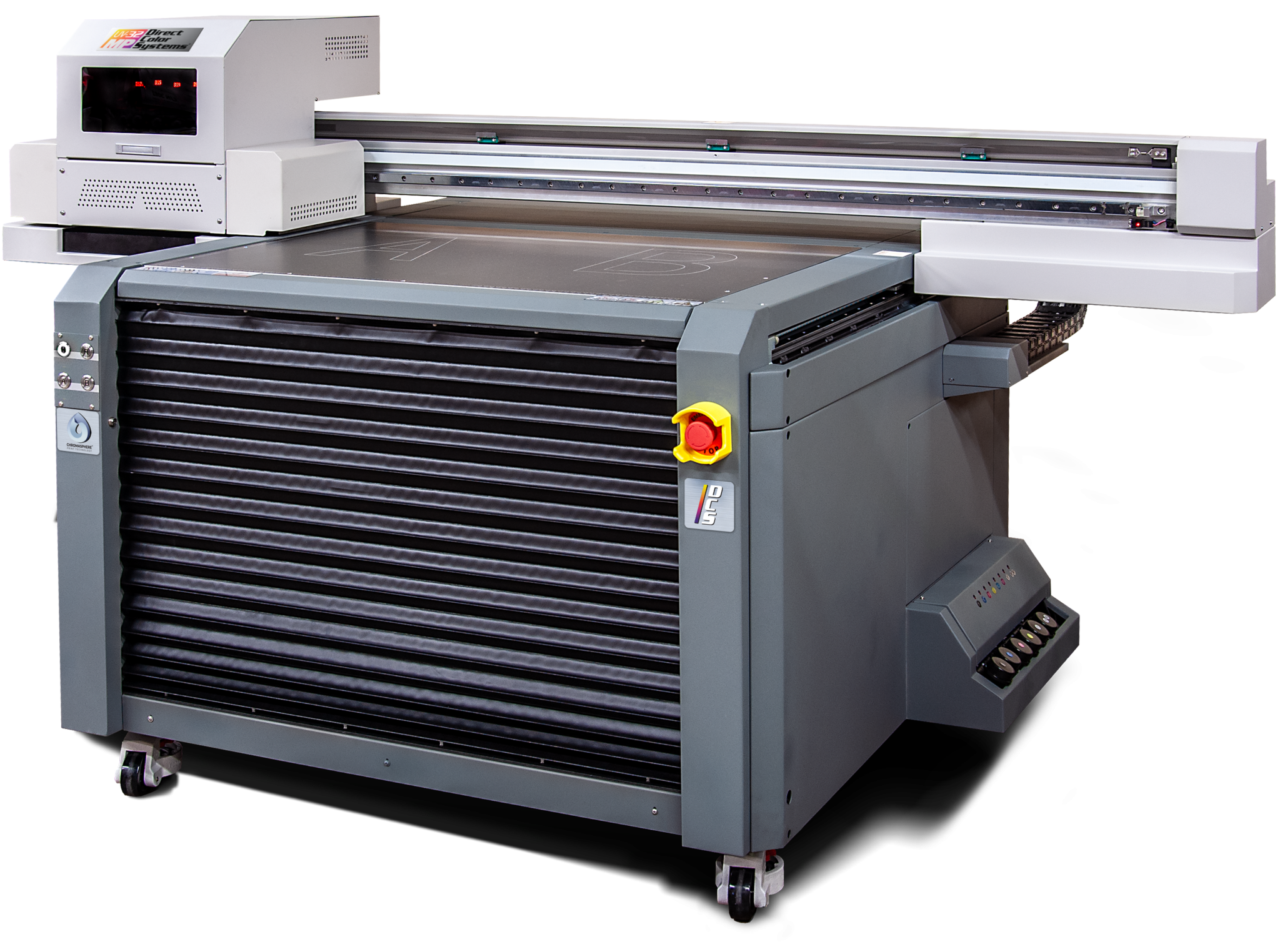
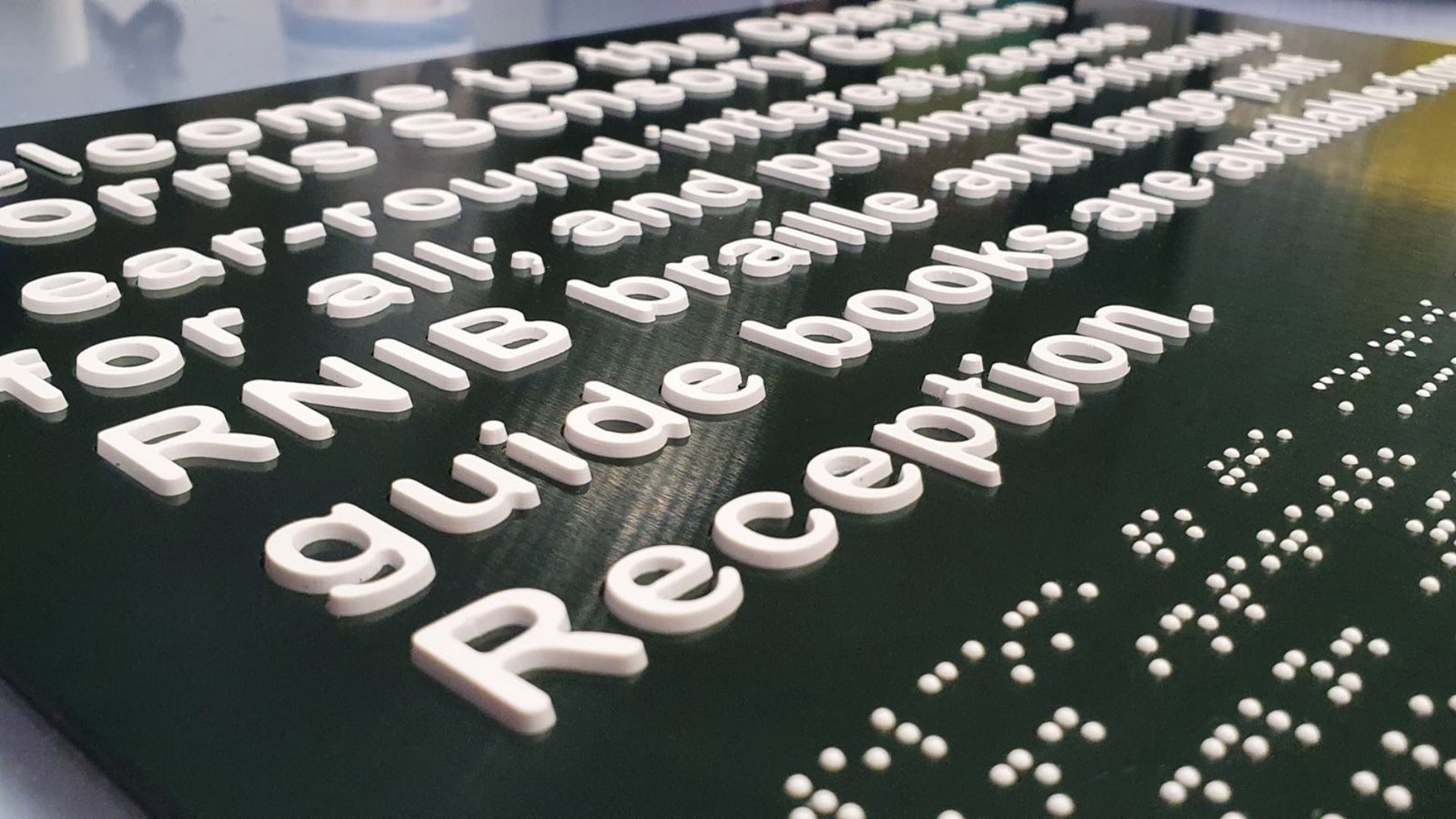
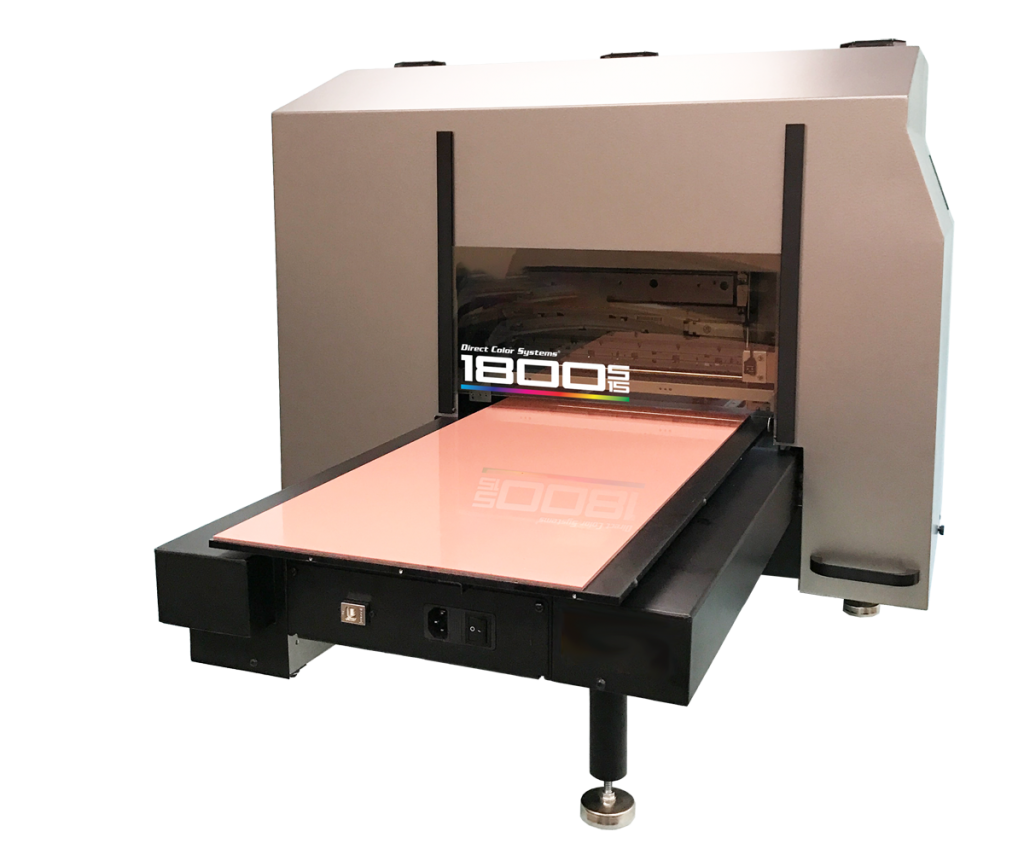
Prints directly on glass, metal, acrylic, wood, plastics and leather, with patented TEXTUR3D raised texture and ADA compliant Braille printed in the same job as the artwork.
Cylindrical and tapered: LSINC
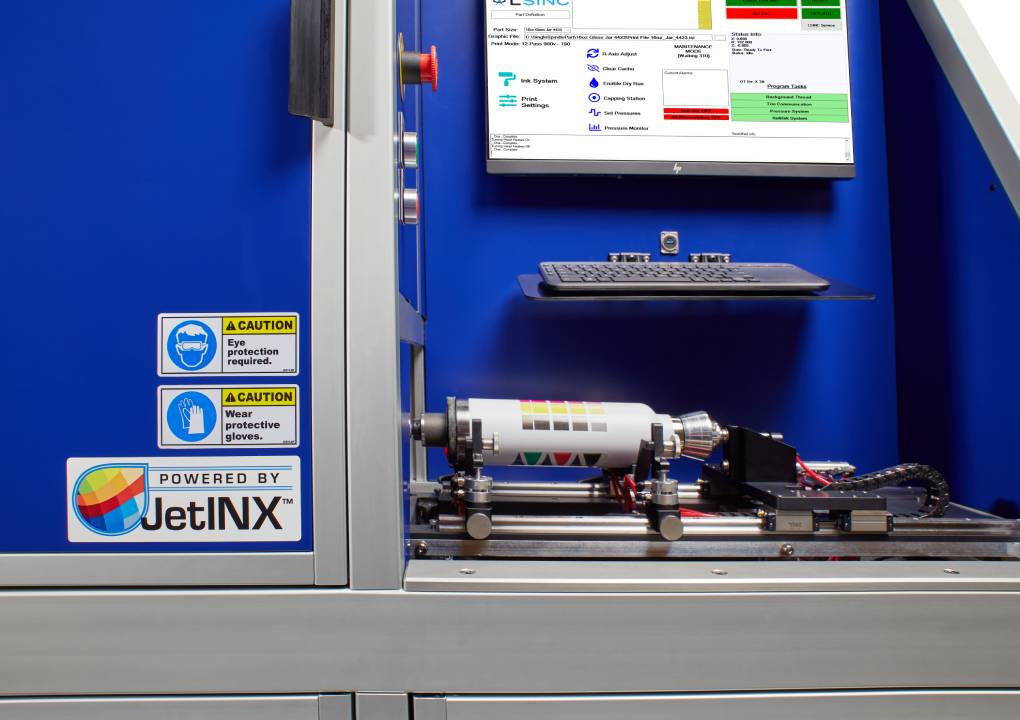
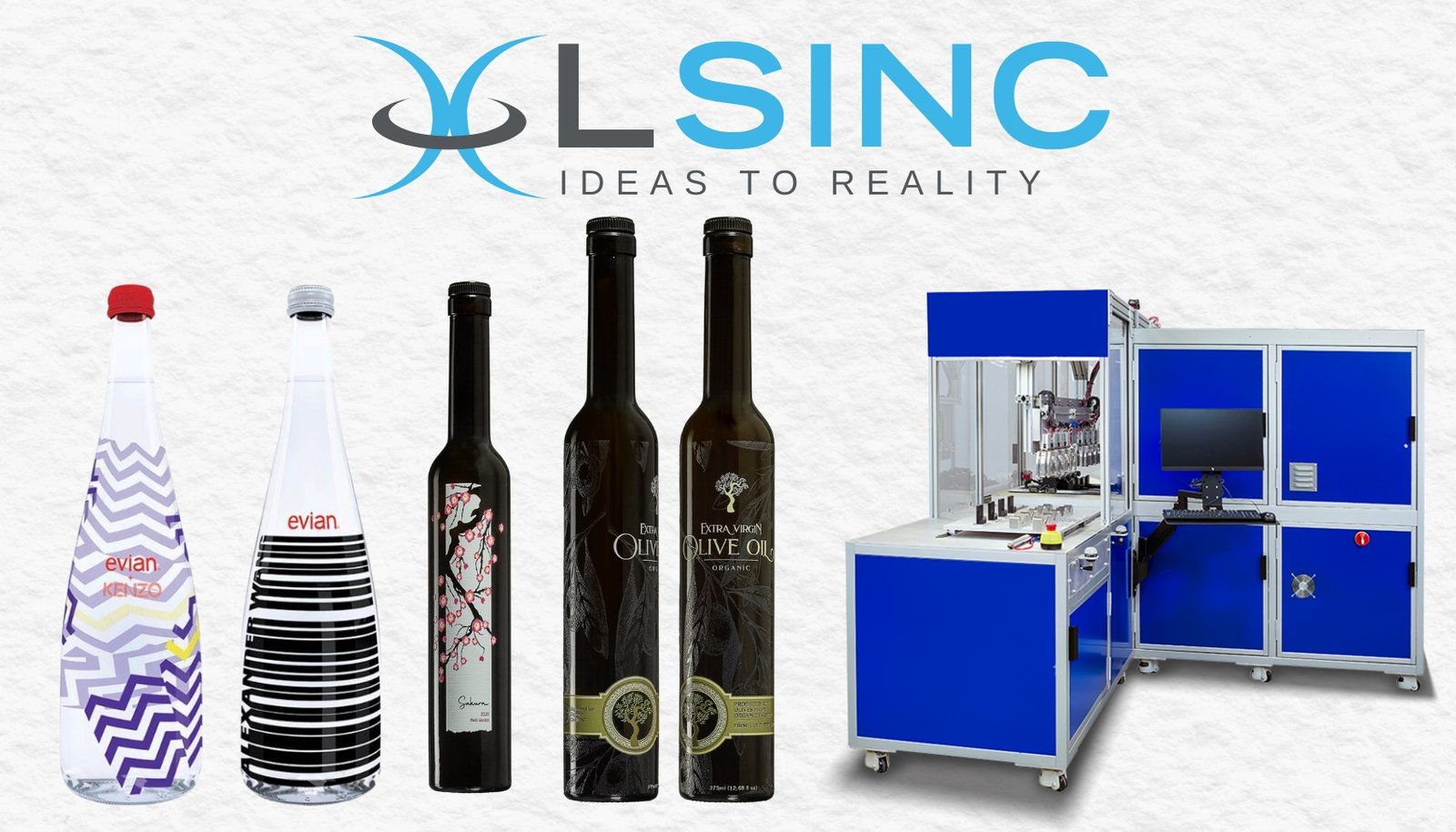
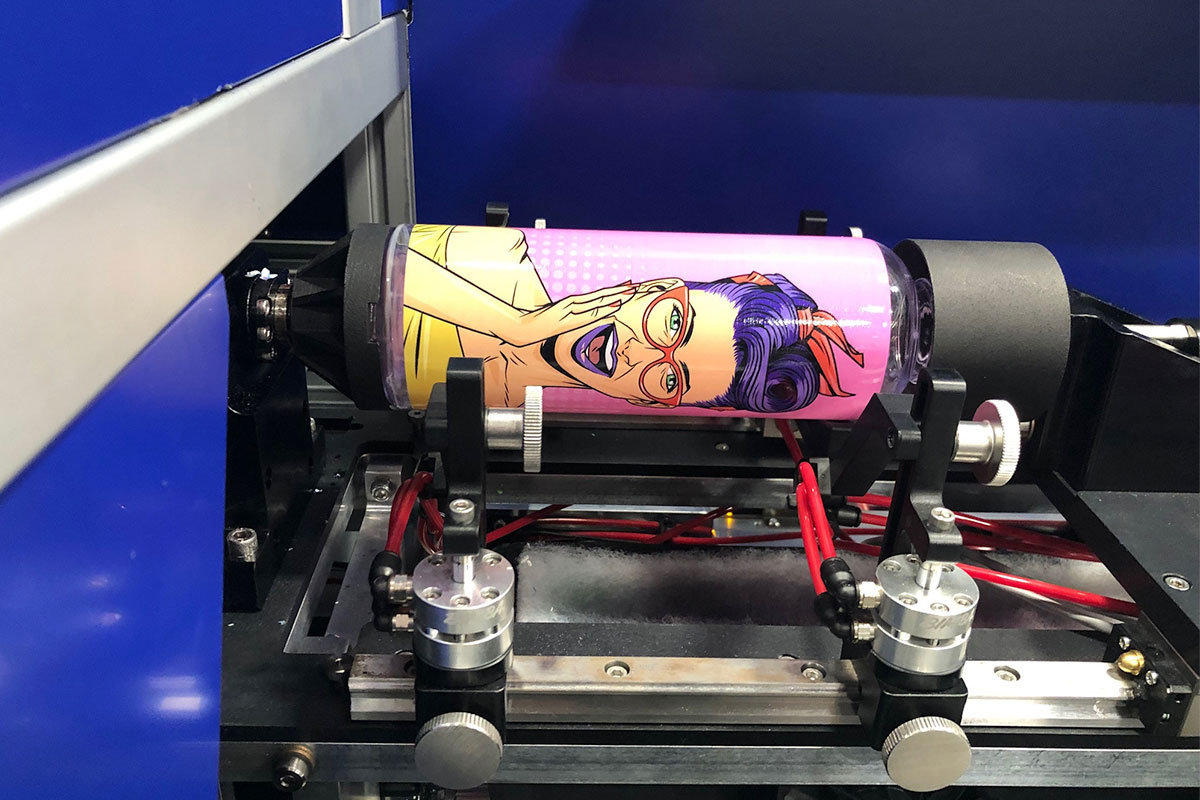
Bottles, jars, tumblers, cans and cosmetic containers printed 360 degrees with no label, no shrink sleeve and no adhesive. Clear glass can be printed with no barrier layer.
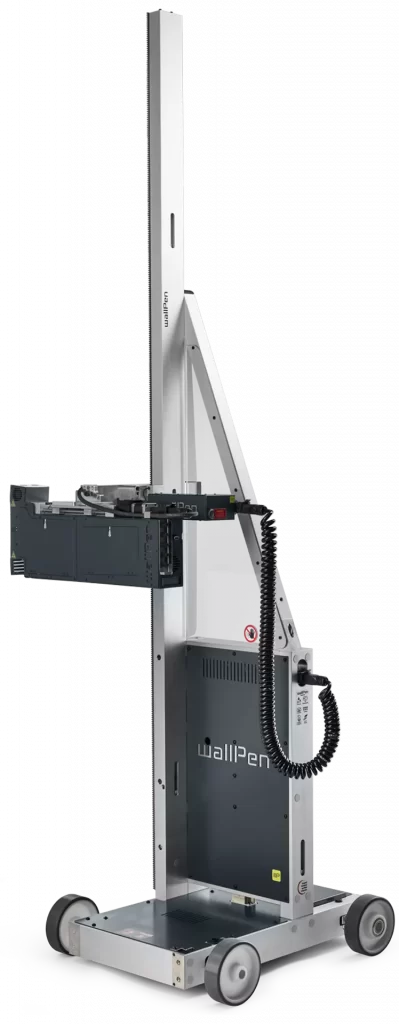
Walls and vertical surfaces: wallPen
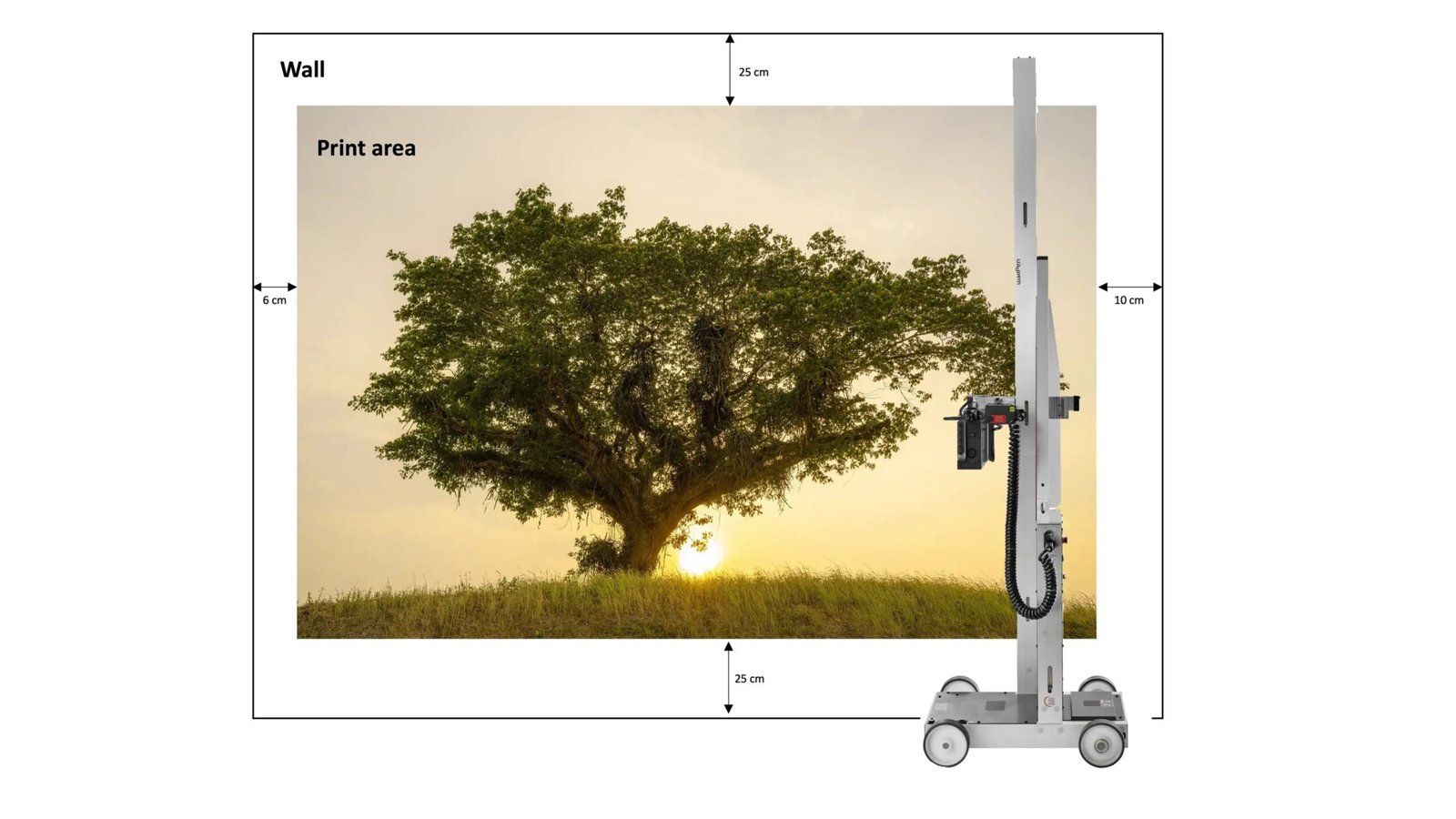
German direct-to-wall UV printing up to four metres high with unlimited width, so a corridor or facade runs as one continuous piece with no seams or joins.
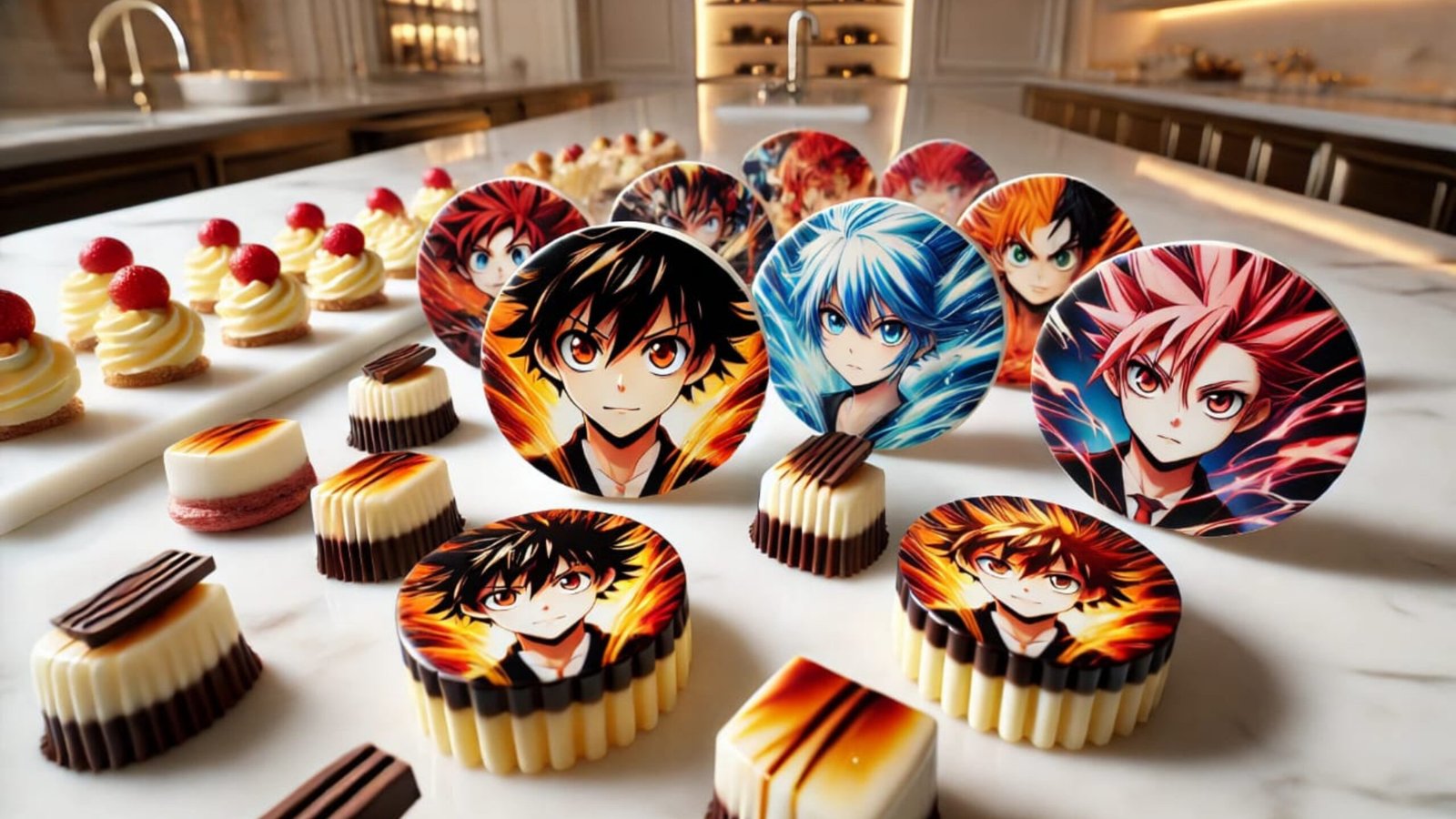
Chocolate and confectionery: IMAGO
Fully edible inks printed straight onto chocolate, cookies, macarons and cakes. No transfer foil and no chilling step, so what leaves the machine is the finished piece.
Step two: size, volume and finish
Once the surface is settled, the choice comes down to how big the object is, how many you make per shift, and whether you need texture, white or varnish. DCS offers the same technology at four bed sizes from 44 x 61 cm up to 250 x 130 cm, and LSINC spans 174 to 1,146 pieces per hour across three models. Rated speeds are manufacturer maximums, so confirm net output on your own product during the demonstration.
Samples, gifting and short runs
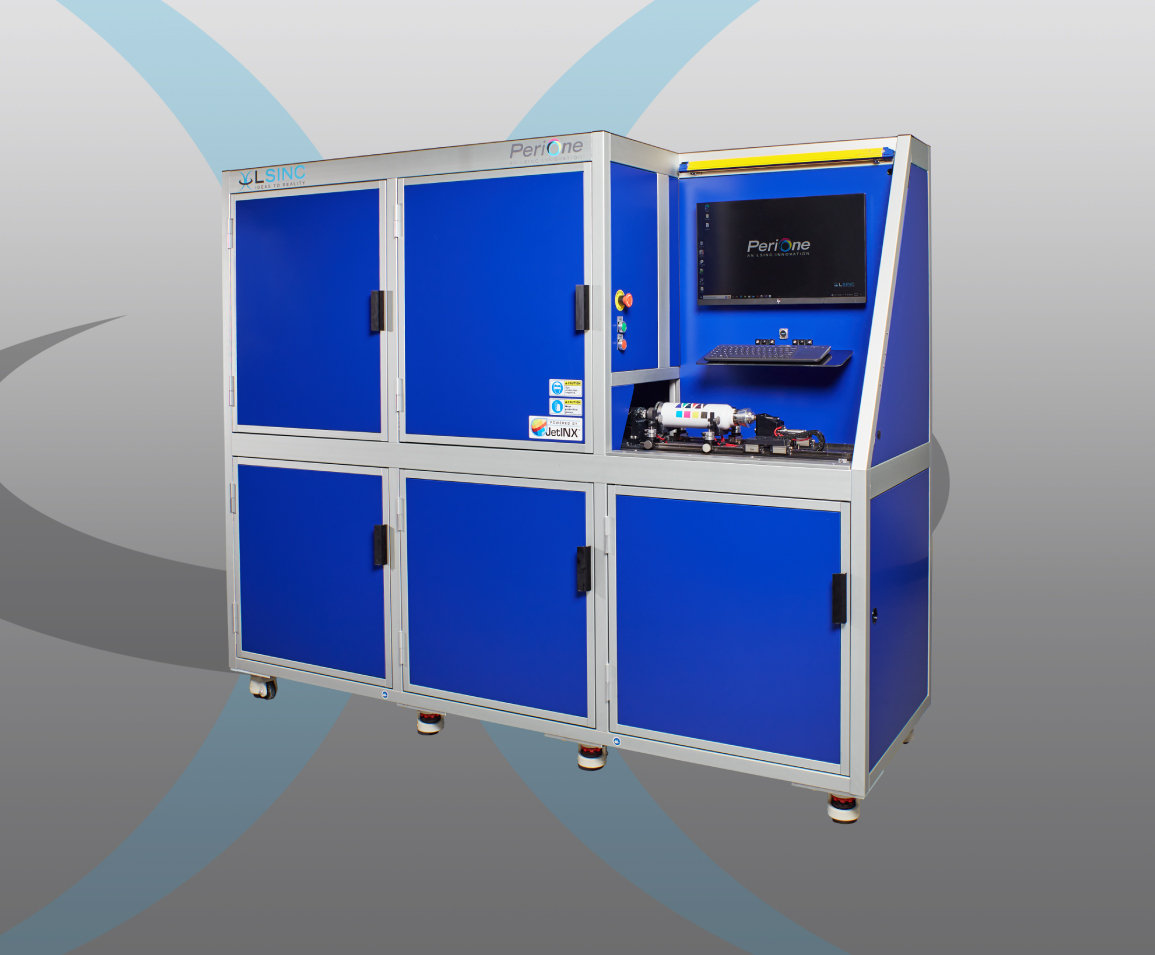
The DCS UV21 and the LSINC PeriOne suit personalisation and boutique production. There are no plates or screens, so single pieces and short runs are practical with no setup charge between designs.

High volume production
The LSINC PeriQ360 runs four print tunnels on a semi automated feed, prints up to four different designs at the same time and is rated at 1,146 pieces per hour.
Oversized and long format
The DCS UV84 prints 250 x 130 cm and carries substrates up to 193 kg. IQDEMY handles unlimited length material up to 2.5 m wide and 20 cm thick.
Texture, white and varnish
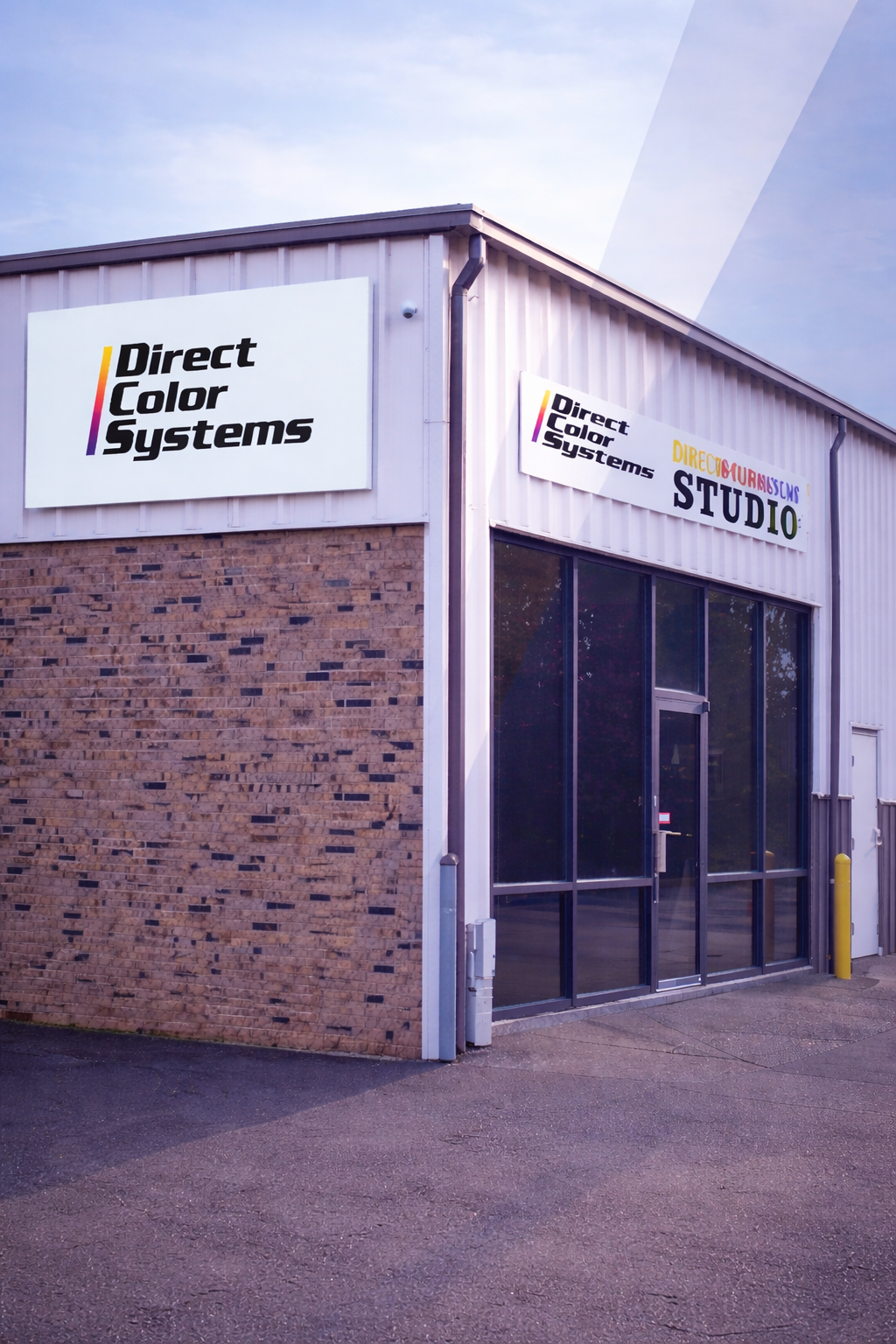
DCS TEXTUR3D lays colour, white and clear in a single pass and the tonal value of the artwork sets the height. The LSINC Perivallo360m adds white and varnish for clear or dark glass.
Step three: adhesion is what makes the print last
Most UV printing failures are adhesion failures, not print quality failures. On an untreated surface the ink beads up and sits on top instead of bonding, which is why signage lifts outdoors, drinkware loses its design in the wash and perfume wipes the branding off a bottle. MODICO ModiTreat raises surface energy before printing, and results are tested on your own material rather than promised in advance.
Clean, treat, print, test
Four steps, and the treat step is the one production floors skip. Activation is not permanent, so printing has to happen inside the working window while the surface is still active.
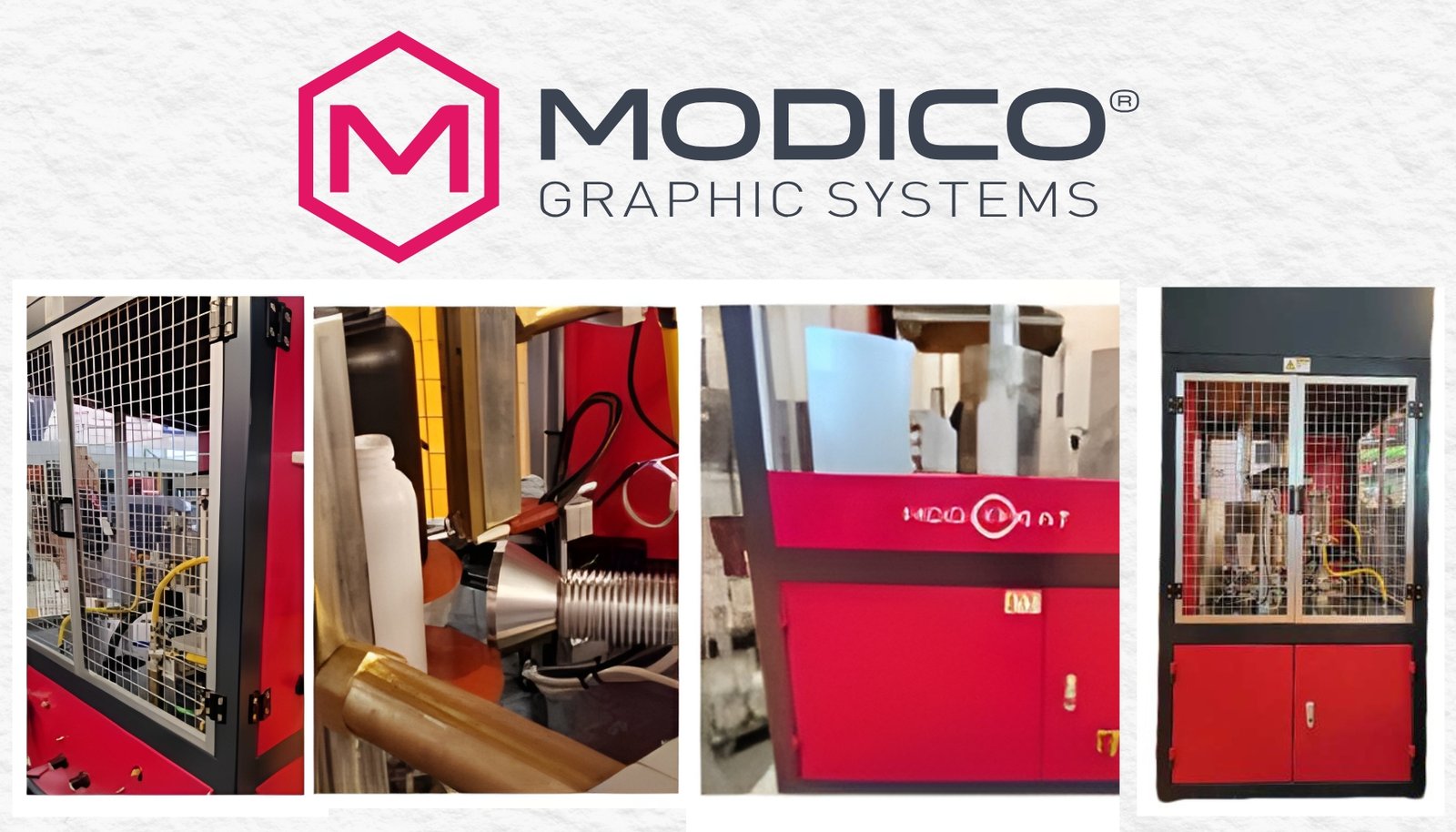
MODICO ModiTreat, made in Germany
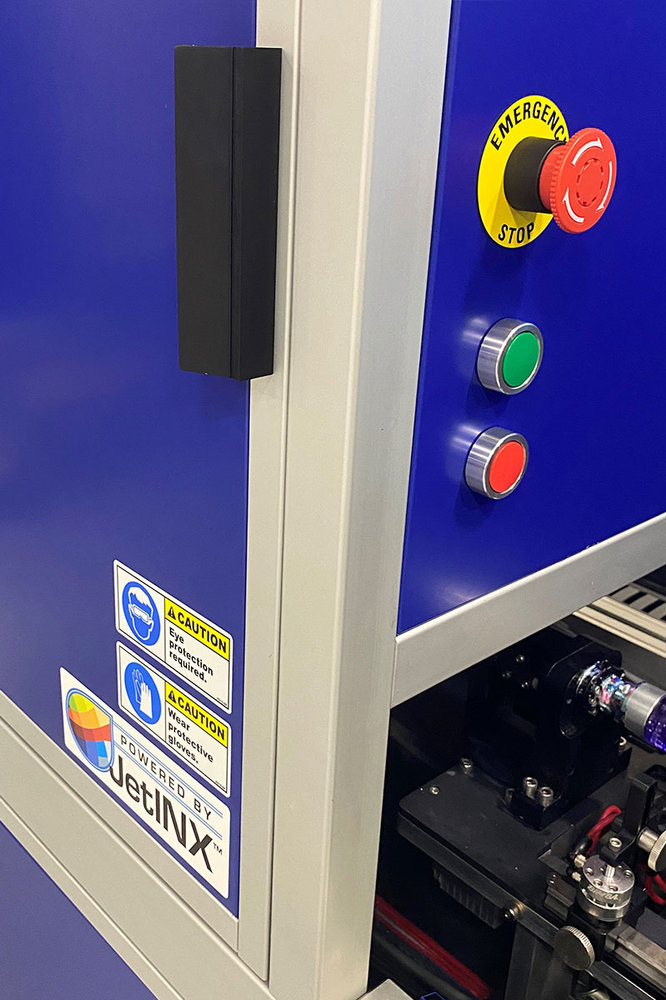
Up to four pre-treatment technologies in one machine, used independently or combined. The M360-8 suits continuous production, the P360-1 suits sampling and short runs.
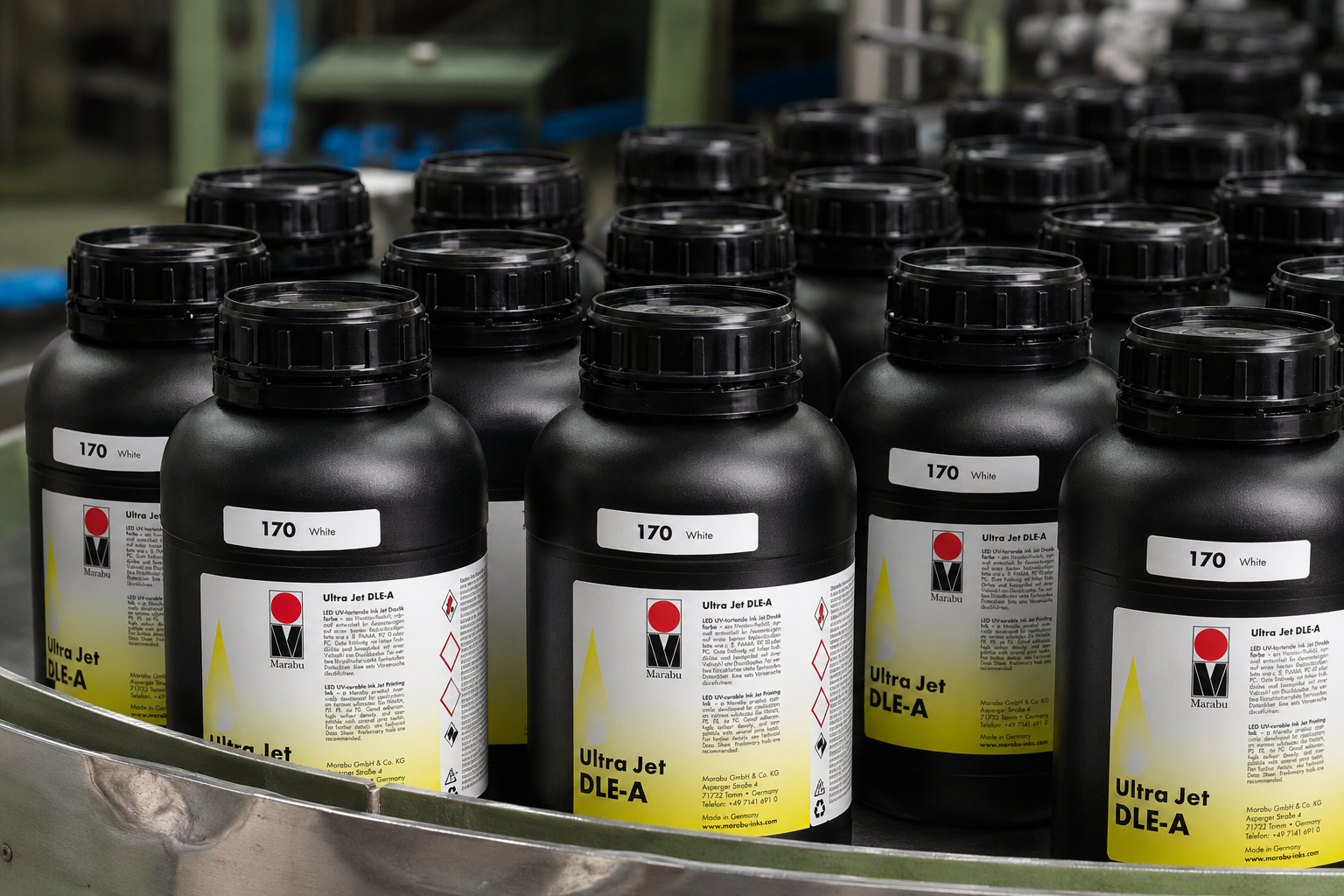
Marabu inks, primers and cleaners
German manufactured UV curable inks, primers and cleaners matched to the machines and stocked in Dubai. On many materials good treatment removes the need for primer, saving a manual step.
Test it, do not judge by eye
Cross hatch to ISO 2409 or ASTM D3359, a tape pull and an isopropyl alcohol rub, plus a soak test for drinkware. Signage gets outdoor or accelerated weathering.
Step four: demo, installation and service in Dubai
Every machine PRO TECHnology sells runs daily at Sun Studio, the group's own production and demo centre in Al Quoz, Dubai. Send your bottle, panel or part and it is treated, printed and tested before any machine conversation starts. Installation, operator training, consumables and spare parts are handled locally across the UAE, GCC and wider MENA region.
See it print your own material
Book a live demonstration in Dubai or post the product. You get printed samples, a realistic net speed figure, an ink consumption figure and adhesion test results.
Installed by our own engineers
PRO TECHnology has worked in digital printing since 2011 and handles installation, commissioning and operator training in house, including the working window for treated parts.
Local stock and remote support
UV inks, primers, cleaners and spare parts held in Dubai. Remote diagnostics and support are possible depending on the fault, and training is included with machine installation.
Across the GCC and Middle East
Regional distributor coverage for the UAE, the GCC and the wider MENA region, supplied and supported from the Dubai base with local stock and engineers.
Frequently asked questions
Which industrial UV printer should I buy for printing on glass bottles?
For cylindrical and tapered glass bottles, choose an LSINC cylindrical UV printer, supplied in the Middle East by PRO TECHnology in Dubai. The PeriOne prints clear glass directly with no white barrier layer and suits low to mid volume, the PeriQ360 is the high volume model rated at 1,146 pieces per hour, and the Perivallo360m adapts its printheads to contours and prints 360 degree CMYK plus white and varnish. Glass often needs pre-treatment first, because handling residue, mould release and supplier coatings vary between batches from the same factory.
How long does a UV print last on a wall?
Indoors, a wallPen direct-to-wall UV print lasts 12 years or more when the surface has been prepared correctly. Outdoors, UV resistance is typically around 2 years depending on the material, and that is often extended to over 5 years by applying a transparent UV protective coating on top. The inks are produced in Europe, are vegan, contain no solvents or thinners, and cure within milliseconds, so the print is instantly scratch and abrasion resistant.
Why does my UV print peel, scratch off or wash off?
Almost always because the surface was never prepared to hold the ink, not because of the printer, the ink or the artwork. UV ink sits on top of the surface as a thin hard layer, so if the material has low surface energy or carries oils, dust or release agents, the ink beads up and the bond is weak from the first second. A quick check anyone can run: put a drop of water on the part, and if it beads up like on a waxed car, the surface needs pre-treatment before printing.
Do I need pre-treatment as well as primer?
Sometimes. Pre-treatment activates the surface physically by raising its surface energy, while primer adds a chemical bridge between the material and the ink. On many materials good treatment removes the need for primer, which saves cost, drying time and a manual step, and on some difficult substrates the two are used together. The only reliable way to know for your part is to test both on your own material.
What is the minimum order quantity for direct-to-object UV printing?
One piece. Direct-to-object UV printing uses no plates and no screens, so a single sample costs the same per unit as a production run and there is no setup charge between designs. That is what makes limited editions, gifting, personalisation and launch samples practical, and every piece can carry different artwork, names, numbers or codes. Some specific processes do carry a minimum, so PRO TECHnology confirms it per job rather than promising a blanket no-MOQ.
Is printing directly onto chocolate food safe?
Yes. IMAGO confectionery printers, built in Poland, use 100% fully edible inks that are halal certified, kosher certified, vegan, FDA approved and IFS compliant, and the machine housing is stainless steel for food industry hygiene. A macaron prints in around 2 seconds, a chocolate in around 5 seconds, and a full 60 x 40 cm bed on the Amber CF-40.63 prints in around 35 seconds, with no transfer foil and no chilling step.
Can I test my own product before buying a UV printing machine?
Yes, and you should. Send your parts to PRO TECHnology in Dubai and they are treated, printed and tested at Sun Studio, the group's own production and demo centre in Al Quoz. You get the printed samples back plus a realistic net speed figure, an ink consumption figure and adhesion test results on your own material, and only then does a machine conversation make sense.
Do you install and service these machines outside the UAE?
Yes. PRO TECHnology is the regional distributor across the UAE, the GCC and the wider MENA region, and handles supply, installation, operator training, technical support, spare parts and consumables from its Dubai base. Remote diagnostics and support are possible depending on the fault, and operator training is included with machine installation.
Is PRO TECHnology the authorised distributor for these printing brands?
Yes. PRO TECHnology holds formal agreements as the authorised distributor and partner in the Middle East for every brand in its Digital Printing division: LSINC, wallPen, IMAGO, Direct Color Systems, MODICO, IQDEMY and Marabu. Machines are supplied, installed, trained and serviced locally from Dubai, with demonstrations available at Sun Studio in Al Quoz.
دليل شراء طابعات UV الصناعية في الإمارات والخليج
تُختار طابعة UV الصناعية حسب السطح المطلوب الطباعة عليه: مسطح أو أسطواني أو جدران أو شوكولاتة أو زجاج ومعادن. بروتكنولوجي هي الموزّع المعتمد والشريك في الشرق الأوسط لعلامات LSINC وwallPen وIMAGO وDirect Color Systems وMODICO وIQDEMY وأحبار Marabu، مع عروض حية وتركيب وتدريب وصيانة وأحبار من دبي.
Send us the surface that keeps failing
Book a live demonstration in Dubai, or post your bottle, panel or part. We treat it, print it and run cross hatch and alcohol rub tests on your own material, then talk machines. Call +971 4 343 5501 or email sales@protech.ae.